Old windows and thin walls turn a small apartment into a patchwork of temperatures long before the thermostat notices. The corner by the exterior wall is genuinely colder than the hallway, and a cat will find that corner and camp in it all winter unless you give it a warmer option. A heated bed is the fix, but only if you pick the right kind and put it in the right spot.
Eleven ways to get an apartment through a cold season without an extension cord running across the floor.
1. Know what “heated” actually means before you buy
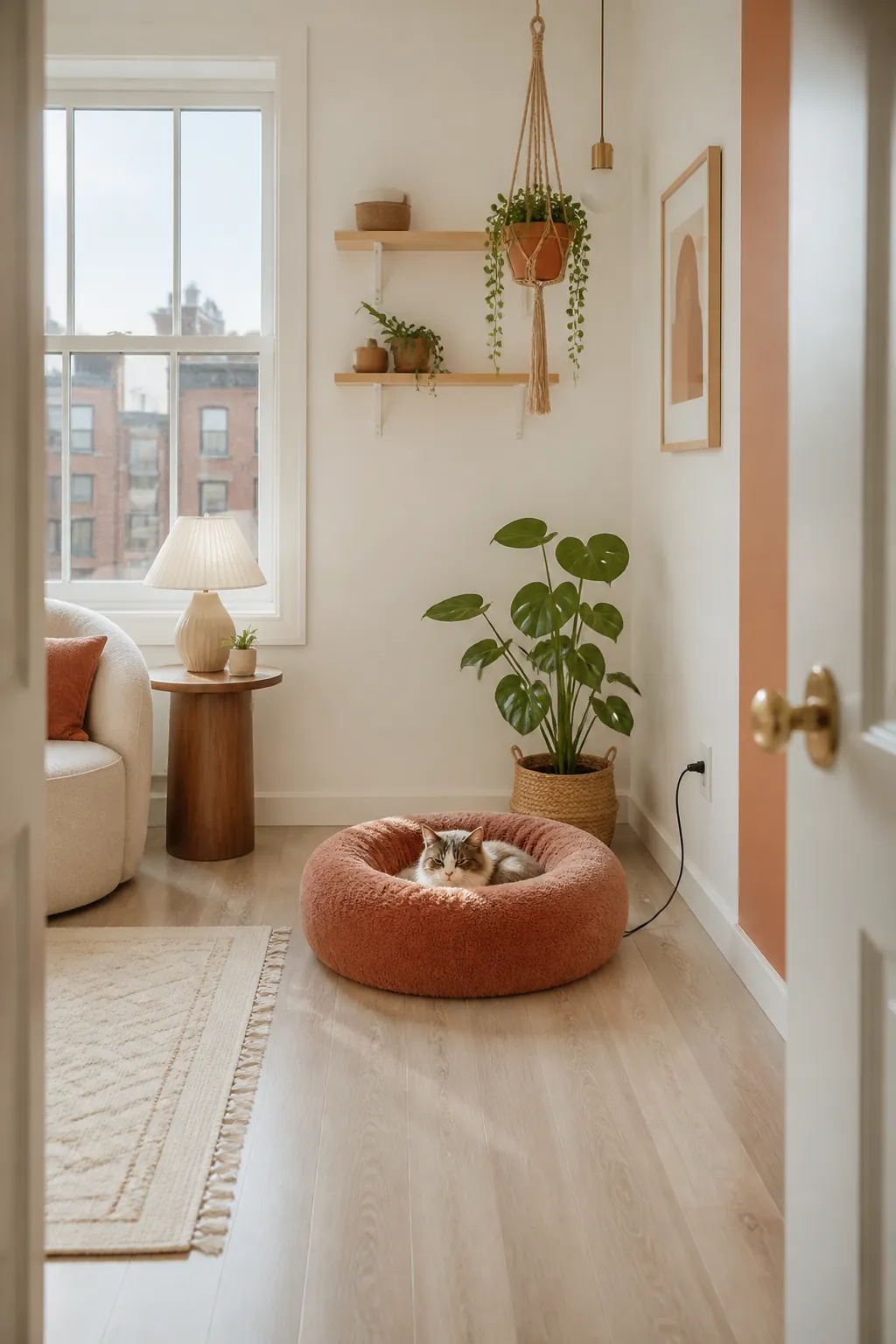
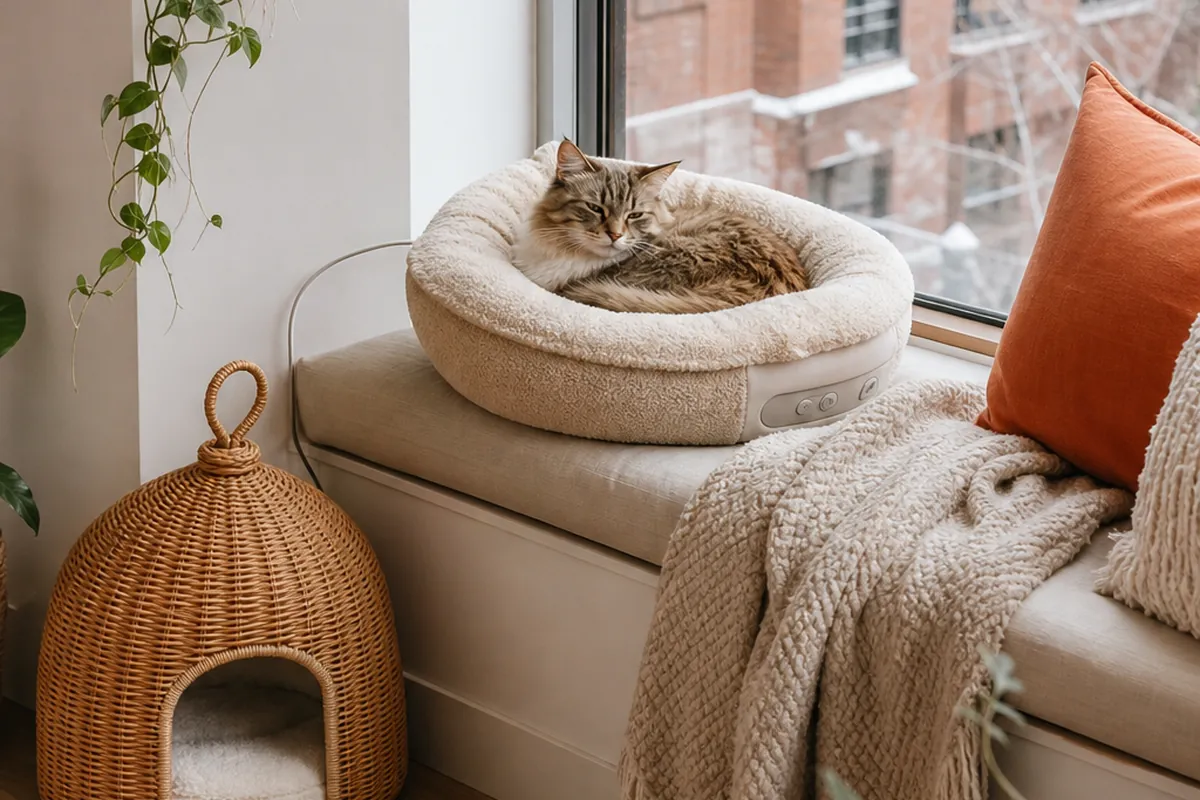
A heated cat bed is either a low-wattage pad with an internal thermostat or a self-warming design with no power source at all. The two get sold in the same search results and solve different problems. A heated pet bed built around a 20-inch donut shape uses an internal heating element with a regulated surface temperature, so read the listing for the word thermostat before assuming any warm bed behaves the same way.
2. Match the wattage to an apartment, not a house
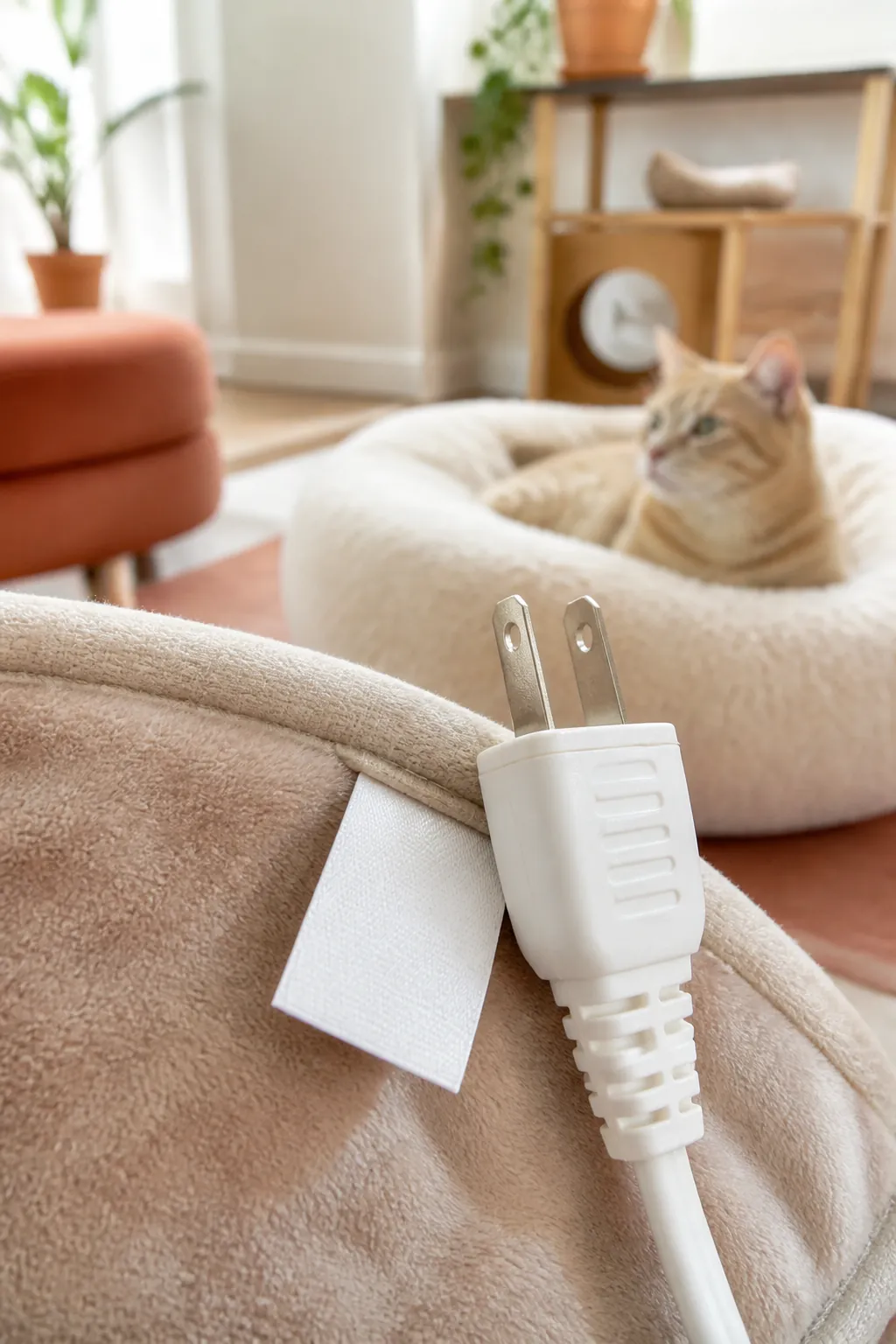
Most cat-sized heating pads draw between 4 and 8 watts, which is closer to a night light than a space heater and runs for pennies a day even left on continuously. A handful of larger beds climb to around 20 watts. Either figure is small enough that cost is not the reason to switch it off, which matters in an apartment where you may already be running it next to a laptop charger and a router on one outlet.
3. Put it against the cold wall, not near it
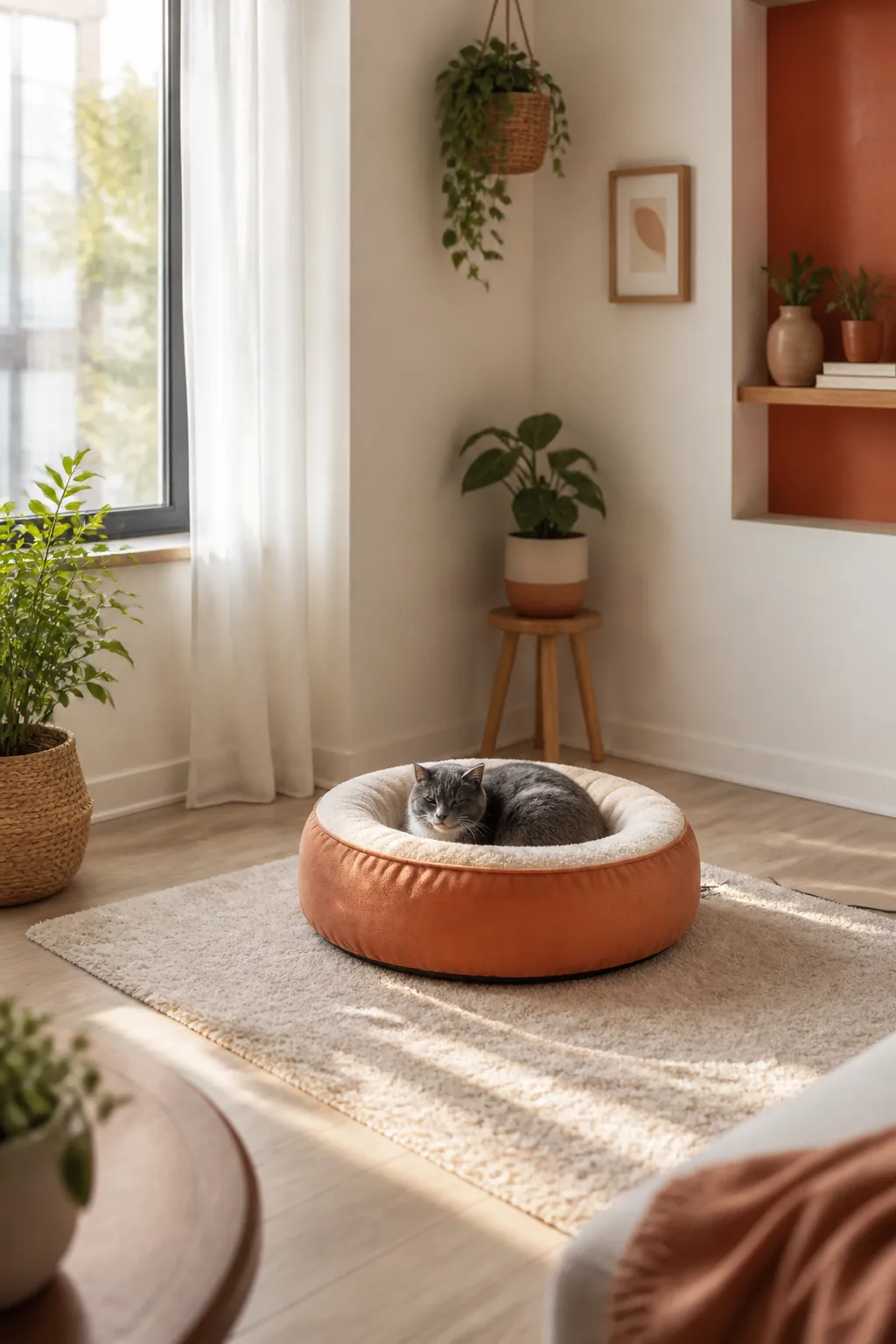
Exterior walls and the corners two of them form are measurably colder than interior walls, sometimes by five to eight degrees Fahrenheit in an older building with thin insulation. A heated bed placed flush against that wall is fighting a losing battle, since the pad is warming a spot the room itself keeps cooling. Pull the bed a foot or two off the exterior wall, or set it against an interior wall instead, and the heating element stops working twice as hard for the same result.
4. Route the cord like a renter, not an afterthought
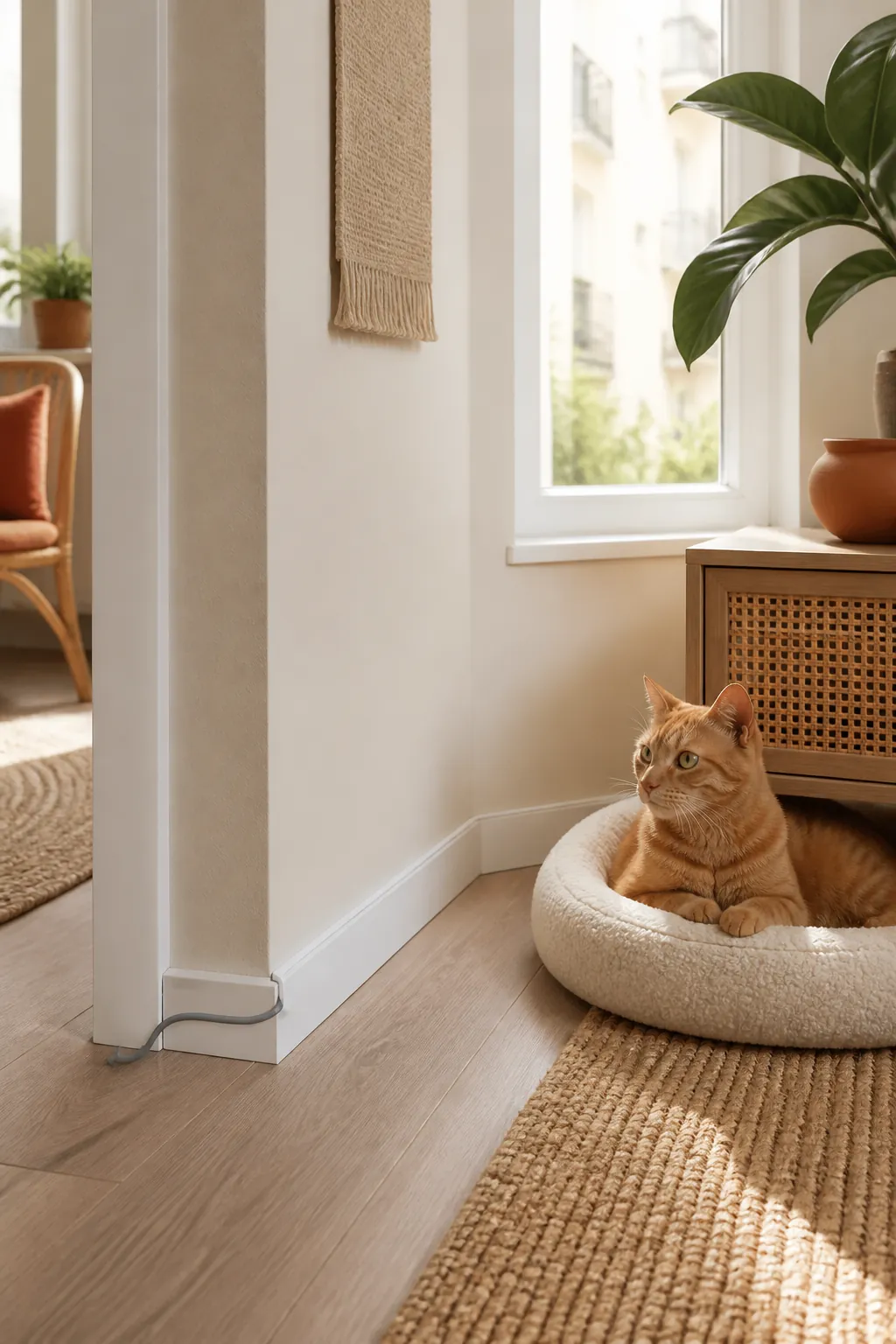
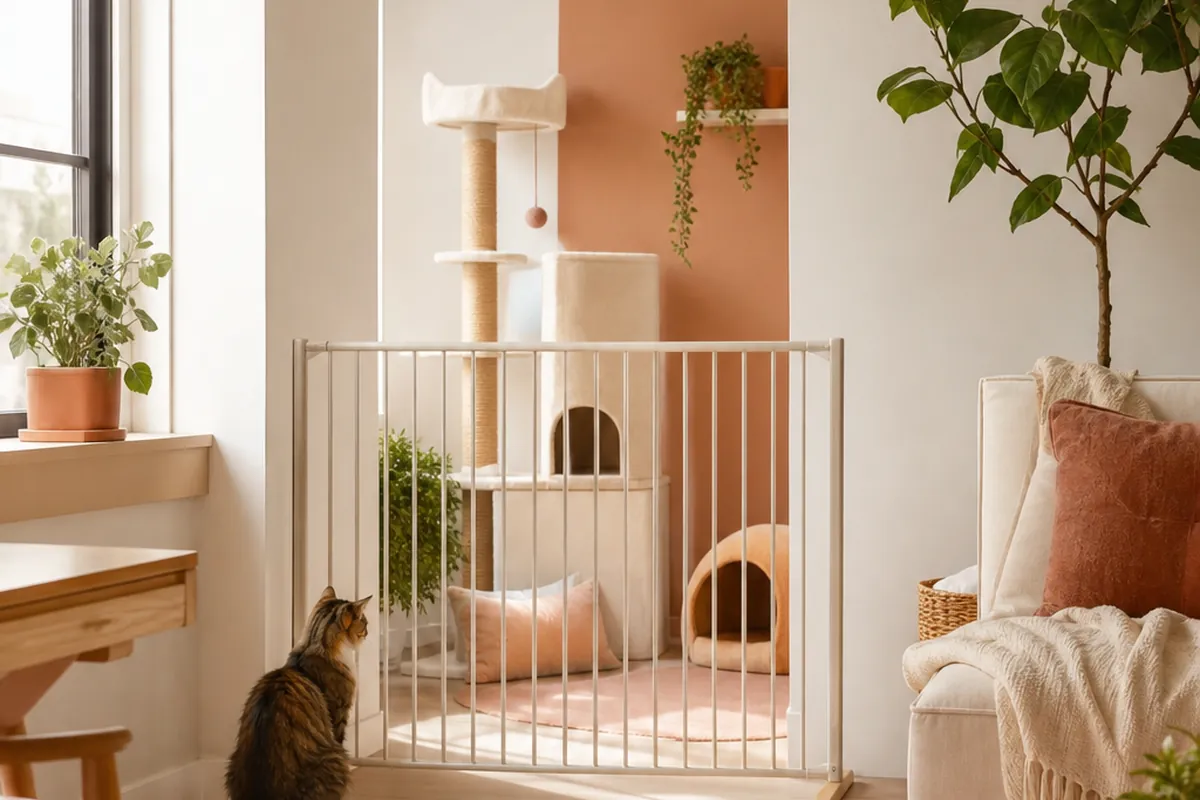
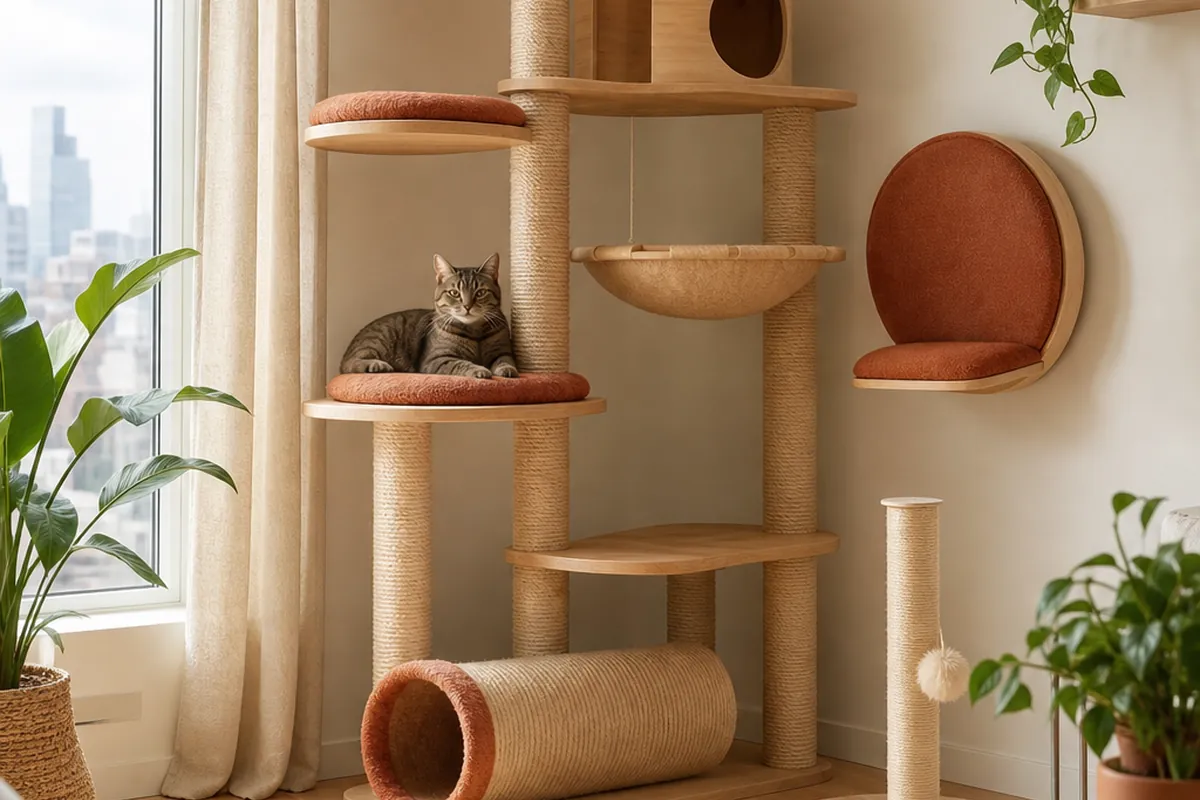
The cord is the actual deposit risk here, not the heat. Never run it under a rug, since a cord that cannot shed its own heat through carpet insulation is a known fire hazard, and it is exactly the kind of thing a landlord’s inspection or an insurance claim flags after the fact. Use a flat adhesive cord cover along a baseboard instead, and leave enough slack that a cat swatting at the cord cannot pull the whole bed off a shelf or table edge. If the room also holds a play area, keep the bed and its cord out of the running lane entirely, the same split these cat playroom ideas for a small apartment corner make between where a cat sprints and where it sleeps.
5. Give the windowsill the daytime shift
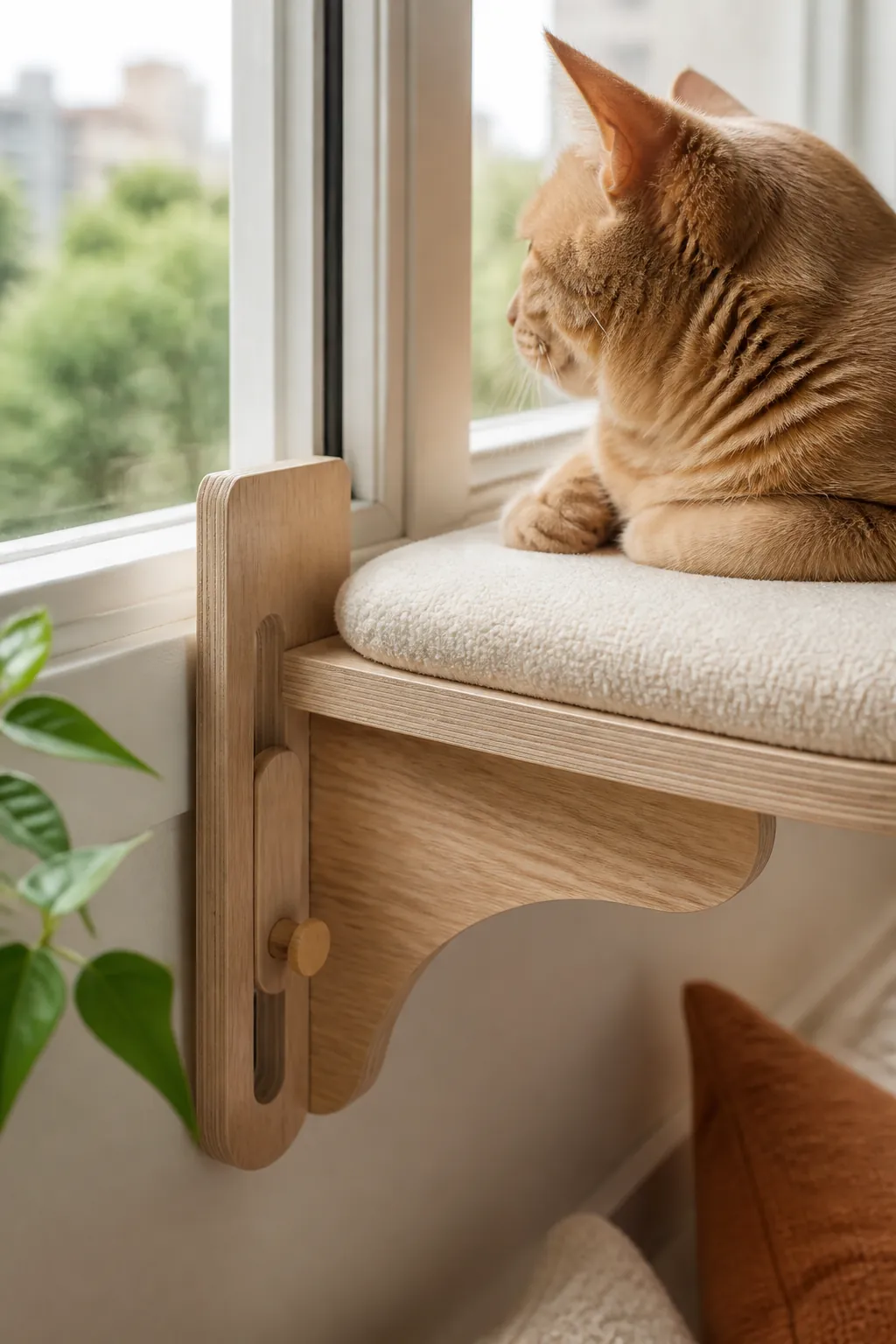
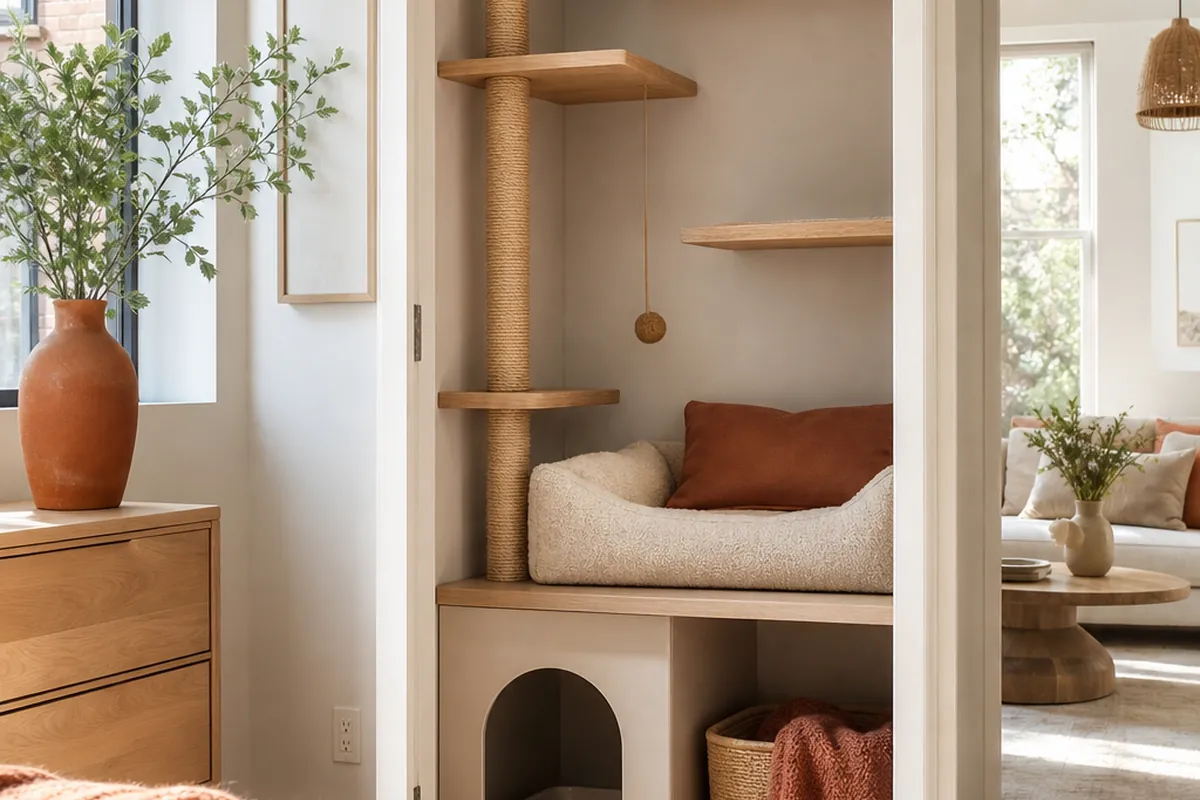
A cushioned windowsill perch at roughly 24 by 14 inches turns direct winter sun into free heat for as long as it lands on the glass, which in a south-facing apartment can run several hours around midday. The catch is that glass is also the coldest surface in the room once that sun moves off it, so treat the sill as a daytime spot and move the cat’s overnight bed somewhere the cold cannot reach through a single pane.
6. Reserve the den for a cat that wants warmth without being watched
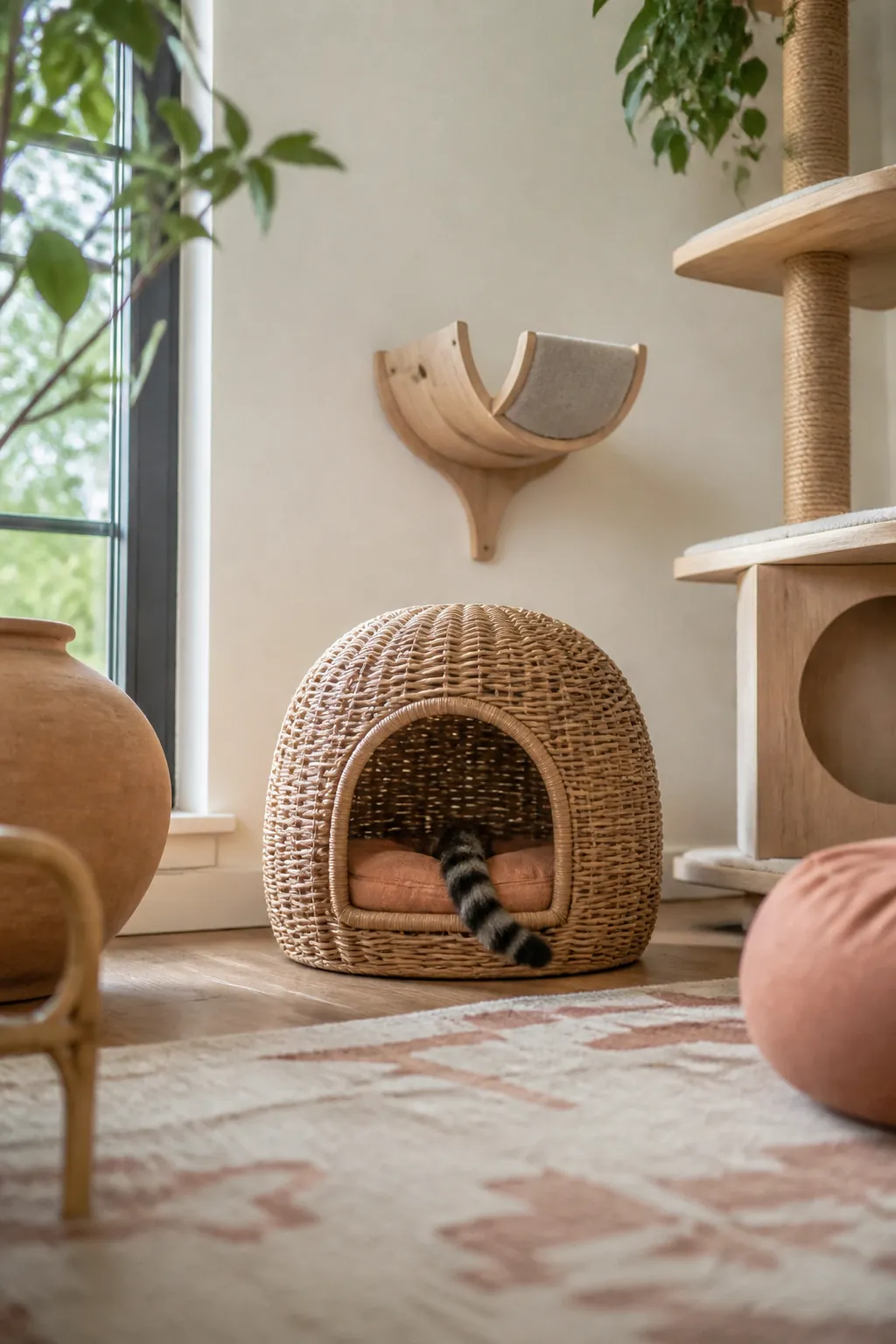
Some cats want visible heat and a view. Others want to disappear into something enclosed and let their own body heat do the work. A woven rattan cat den has no cord and no thermostat, but the enclosed shape traps a cat’s own warmth far better than an open bed of the same size, and a lined interior adds a second layer that slows how fast that warmth escapes. Offer both an open heated bed and an enclosed den in the same room over a winter and most cats will show a clear preference within the first week.
7. Always leave an unheated option within reach
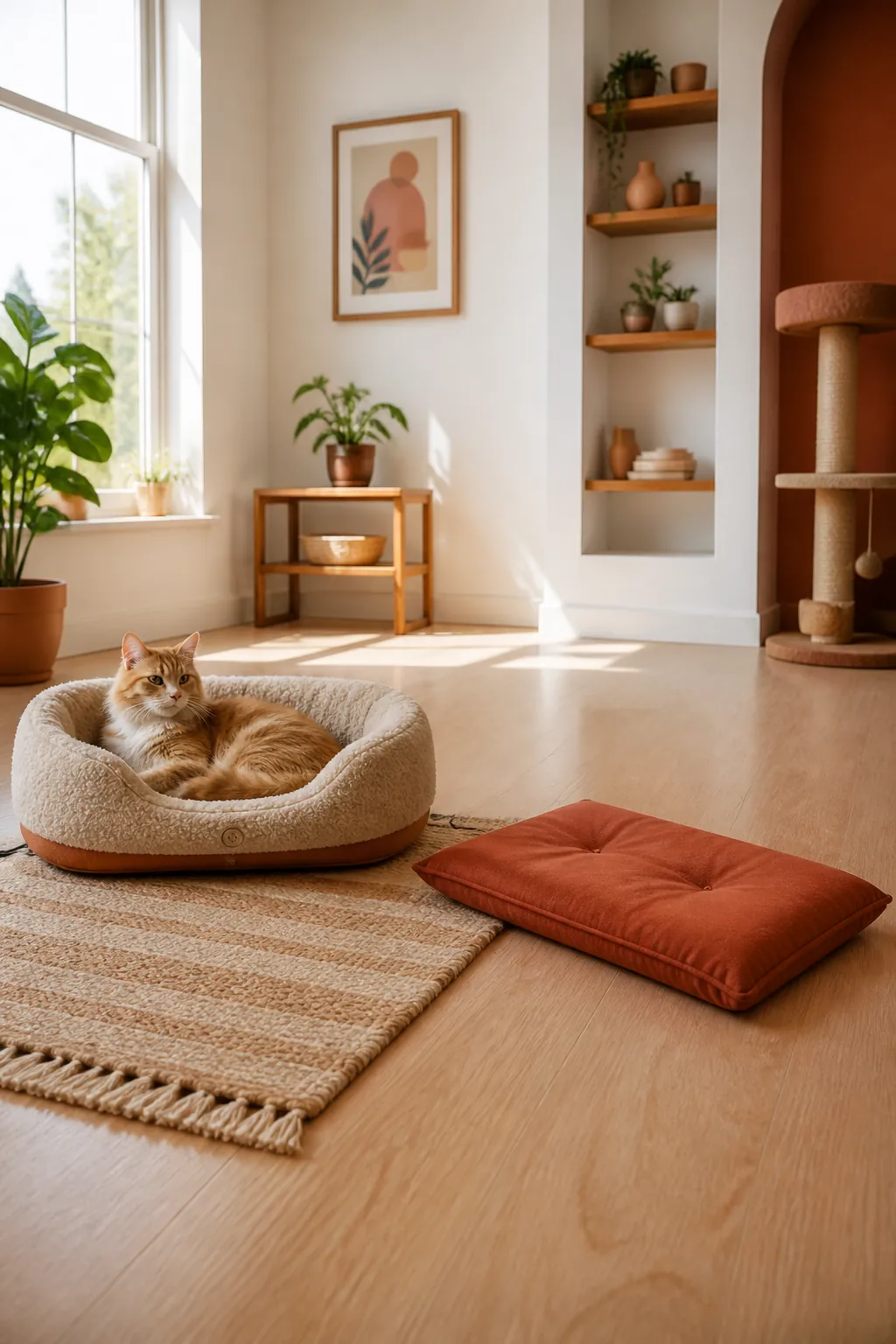
A cat that gets too warm will simply move, but only if somewhere cooler is close by. Keep at least one unheated resting spot within a few feet of any heated one, a chair, a shelf, or a cool patch of floor, so the choice costs nothing. A heated bed that is the only comfortable surface in the room stops being a choice and starts being the only option, which is a different thing entirely.
8. Choose a cover you can actually wash
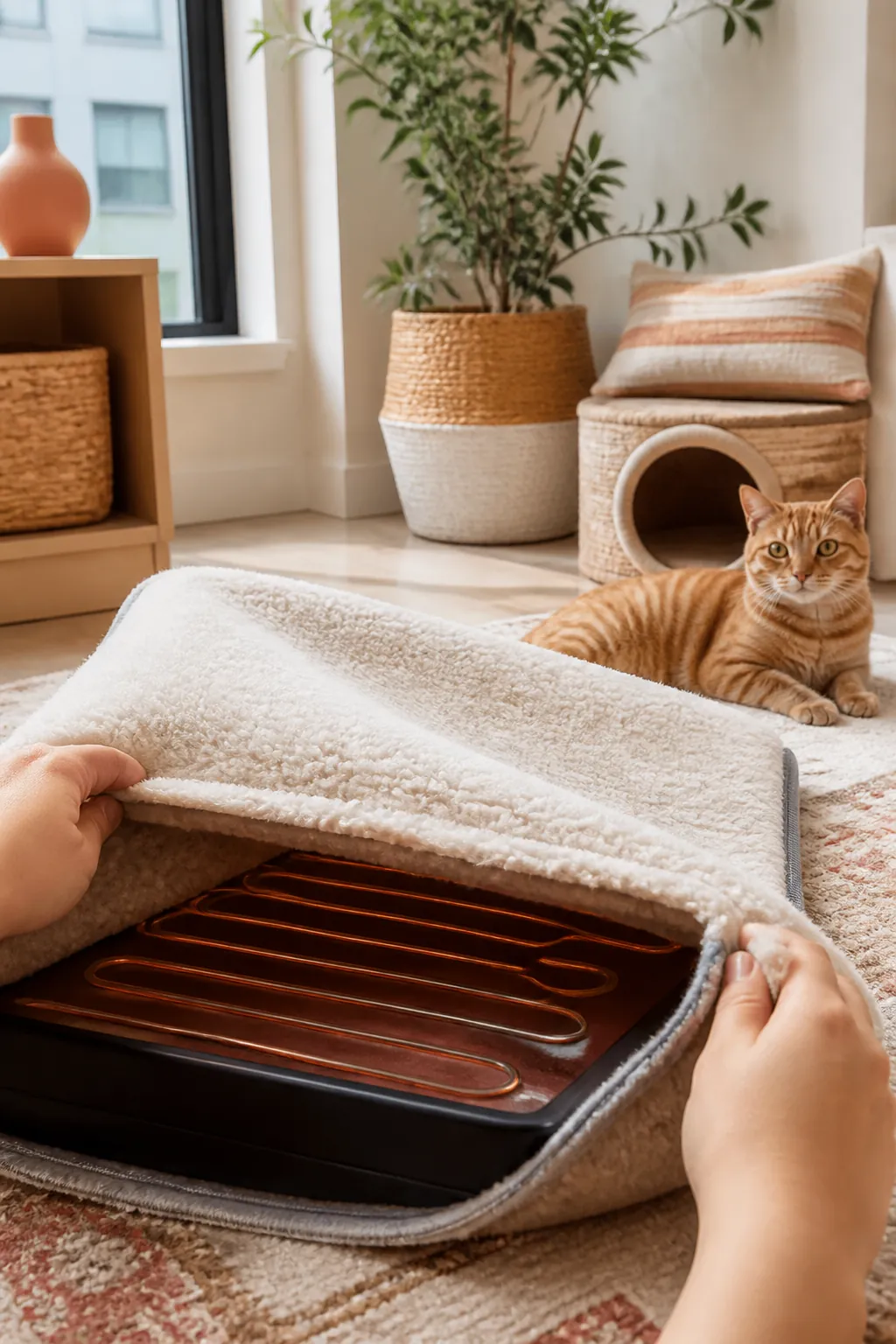
Heat draws a cat in for longer stretches than an unheated bed does, and longer stretches mean more shed fur working into the fabric. A removable, machine-washable cover matters more here than on a bed a cat only visits briefly. Check that the cover comes off without removing the heating element itself, since a design that requires unplugging and disassembling the whole unit to wash a cover gets washed far less often than one that does not.
9. Test the thermostat before the first genuinely cold night
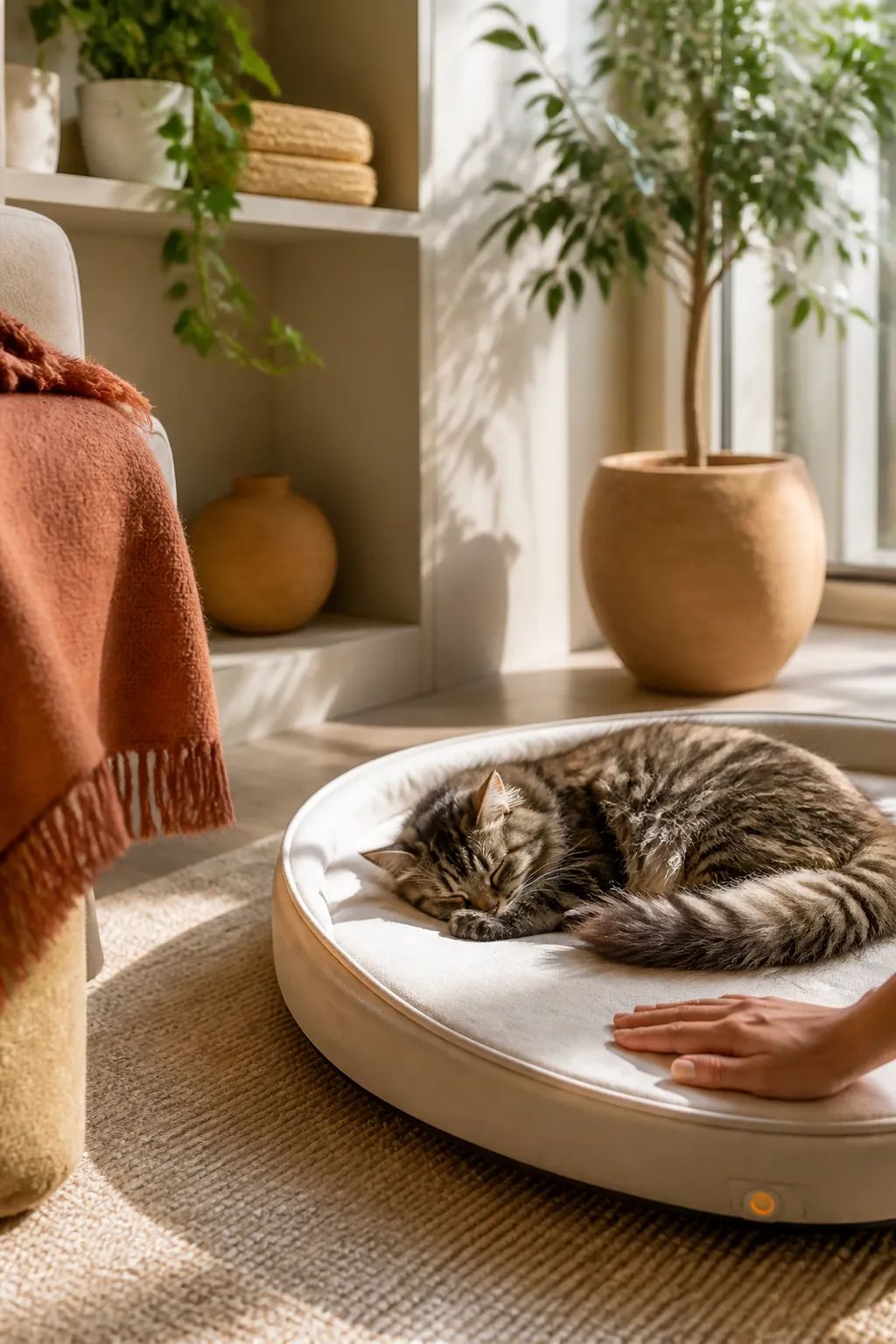
Plug in a new heated bed a few days before you actually need it and check the surface with the back of your hand after an hour. A properly regulated pad should feel warm, not hot, and should hold that temperature rather than climbing. If it keeps getting warmer the longer it runs, that is a thermostat failing to do its job, and it is much better to discover that during a mild evening than during the first real cold snap of the year.
10. Skip the space heater idea entirely
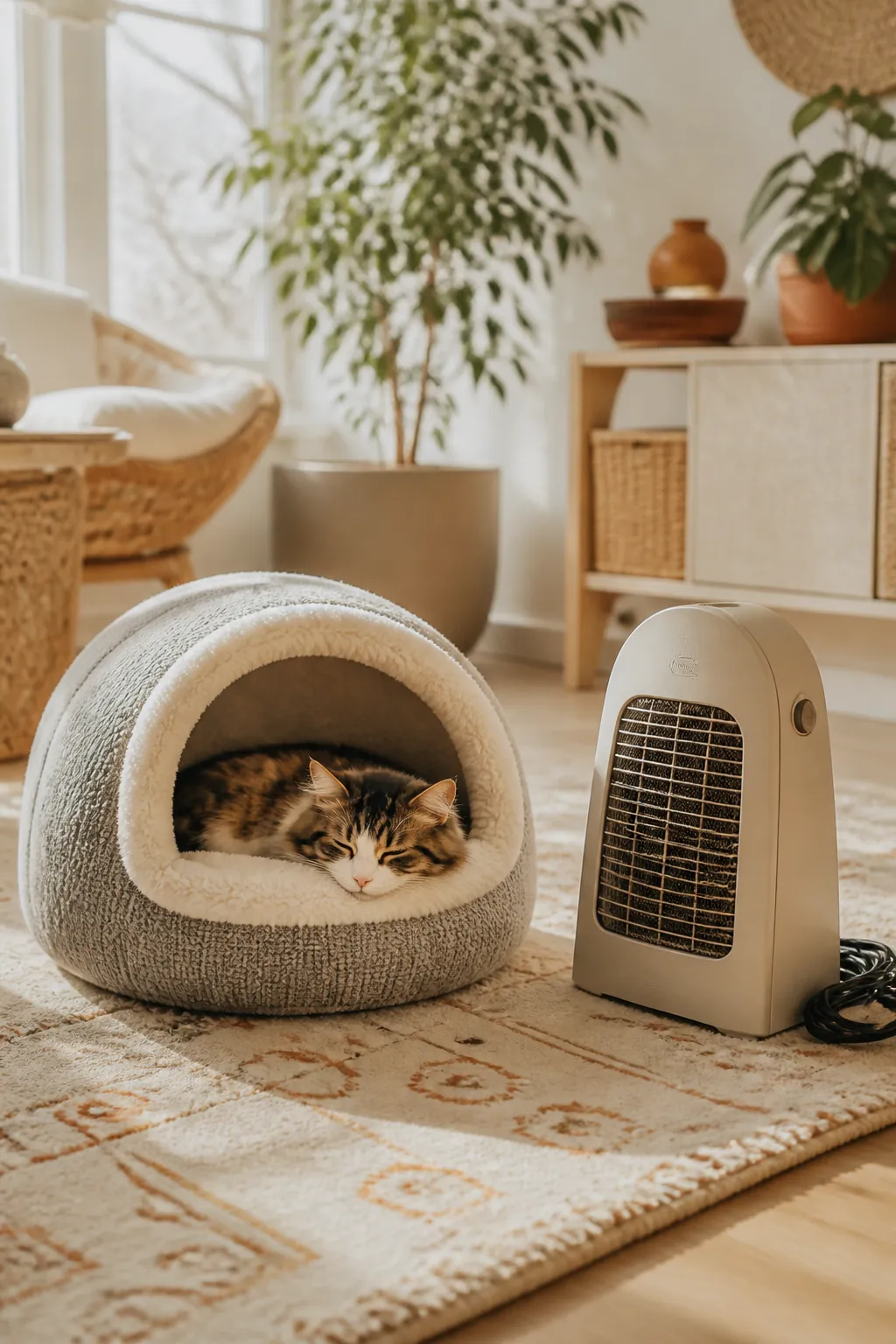
The instinct to warm a whole small room rather than one bed is understandable, but a portable space heater left running unattended is one of the most common causes of apartment fires every winter, and most leases explicitly ban them for exactly that reason. A cat-sized heated bed draws a fraction of the power, needs no clearance from furniture or curtains, and does not require the room to reach a temperature that is comfortable for you before it helps the cat at all.
11. Put the heaviest use hours on a timer
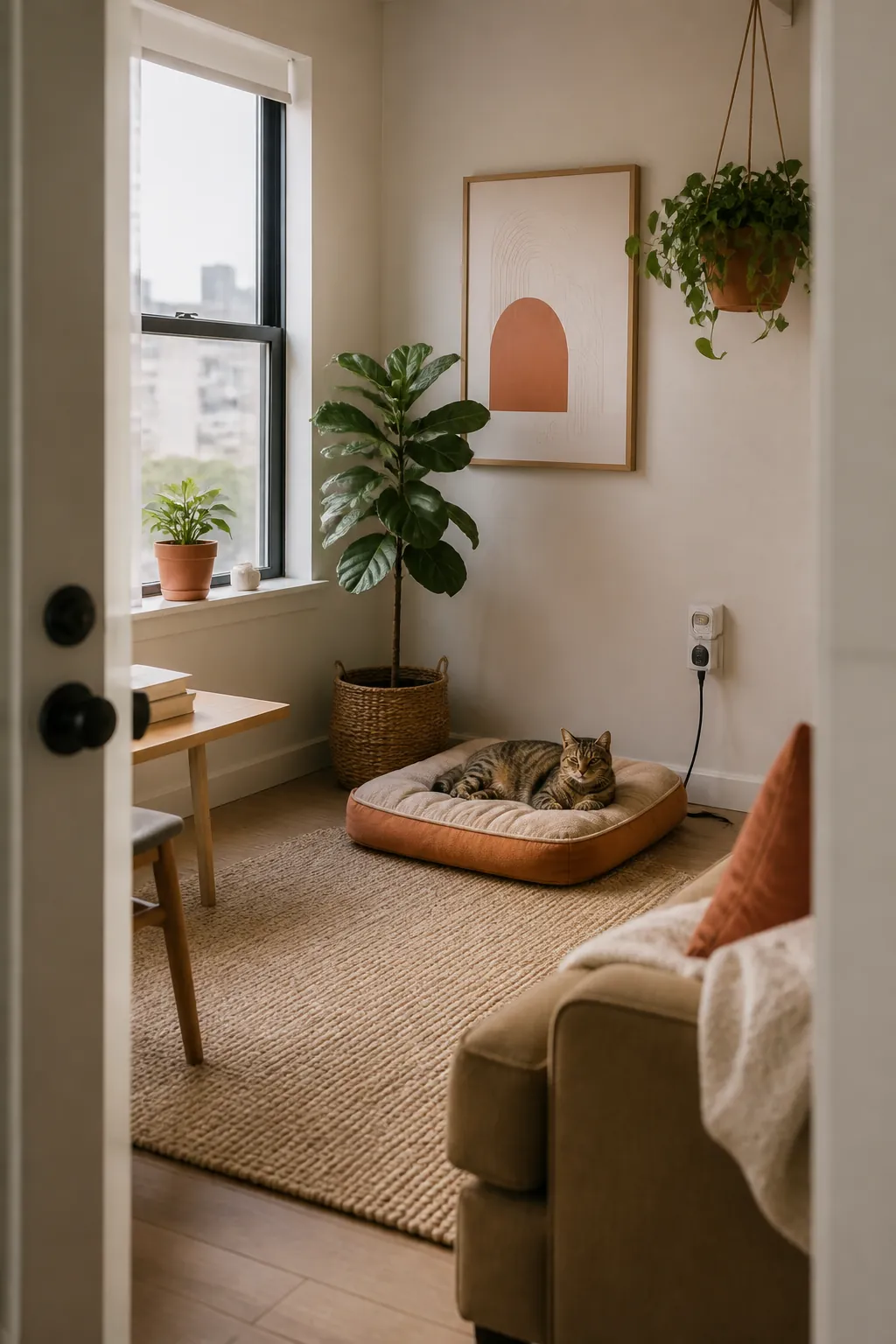
A programmable outlet timer or a basic smart plug costs less than a single heated bed and turns an always-on pad into one that only runs when the apartment actually needs it. Set it to switch on an hour before the coldest stretch of the night, typically the few hours before dawn in most climates, and off again once morning sun starts doing the work instead. This trims the running cost further on top of the pad’s own low wattage, and it means the bed is not sitting warm and unused all afternoon while the cat is stretched out on the windowsill anyway.
Where to start
Start with the cord and the wattage, since those are the two things that matter for the apartment rather than the cat. Confirm the pad has a real thermostat, and plan where the cord will run before you plug anything in.
Then split the day. Give the cat a windowsill spot for the hours the sun actually reaches it, and a heated bed or a self-warming den for everything after that, since the two are solving different halves of the day rather than competing for the same one.
Test the heated bed on a mild evening, not the coldest night of the year, and leave an unheated surface close enough that the cat is choosing the warm bed rather than settling for it. A setup that offers a real choice is the one that gets used every night through the season, not just the first cold one.
If the bed is a present rather than a purchase for your own cat, the gifts for cat lovers who live small include one sized for an apartment, alongside fourteen other picks chosen to fold, mount or replace something already in the home.