Ask anyone with a cat and a small apartment where the cat spends its day and the answer is a window. Not the expensive tree, not the bed that took an hour to choose. The window. It is the one thing a one bedroom has in the same quantity as a house, which makes it the highest-value square foot you own.
Nine ways to make it count, starting with the one that costs nothing.
1. Watch the window before you buy for it
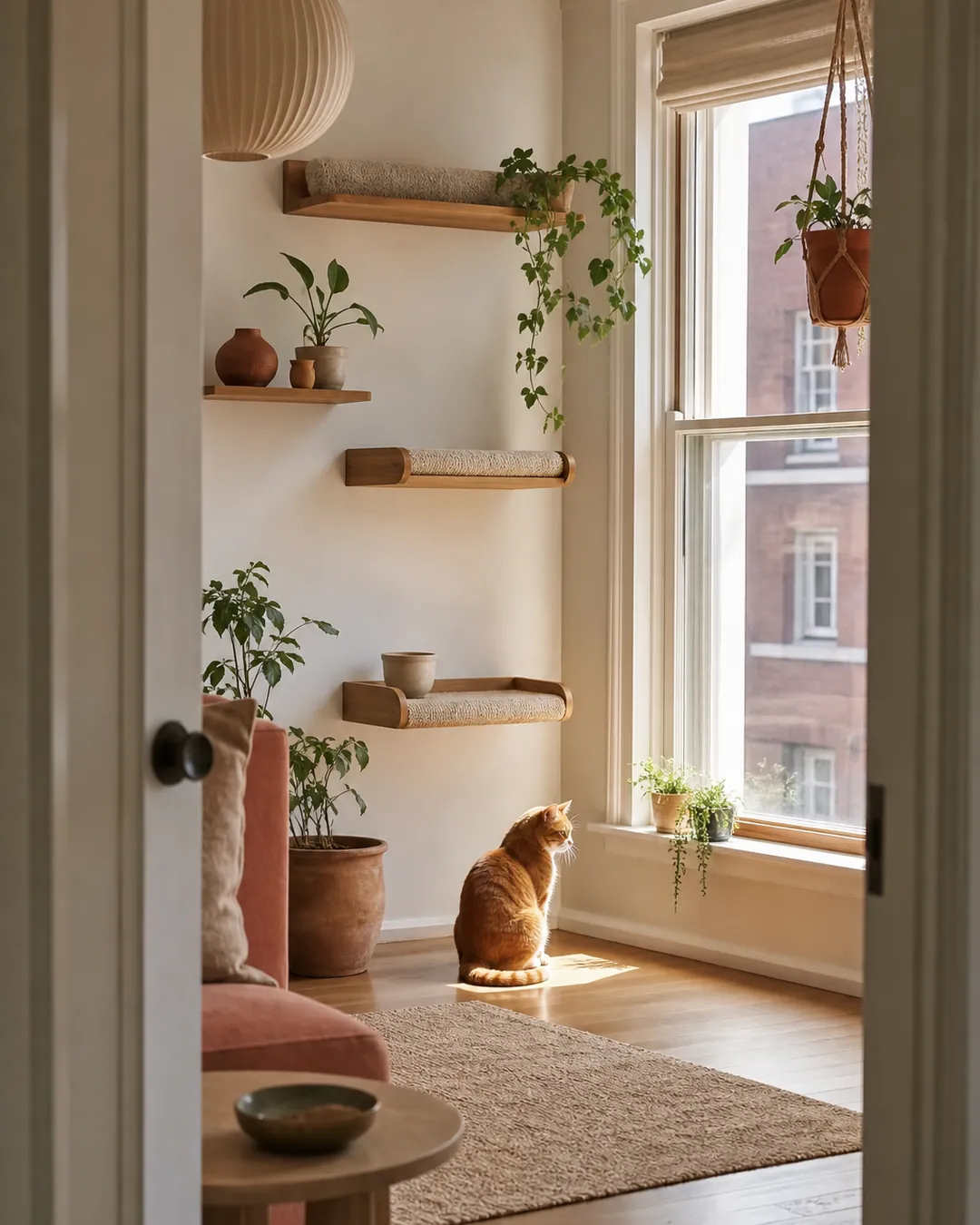
Cats follow sun, not views. Spend two days noting where yours settles between roughly ten in the morning and two in the afternoon, and mount to that window. The one with the best view at breakfast is frequently not the one that gets used, and a perch on the wrong glass is a returned perch. Note the season too: a south-facing window that is perfect in November can be avoided entirely in July, so if you are buying in winter, check there is a shadier second option you could move to.
2. Use the sill if you have one
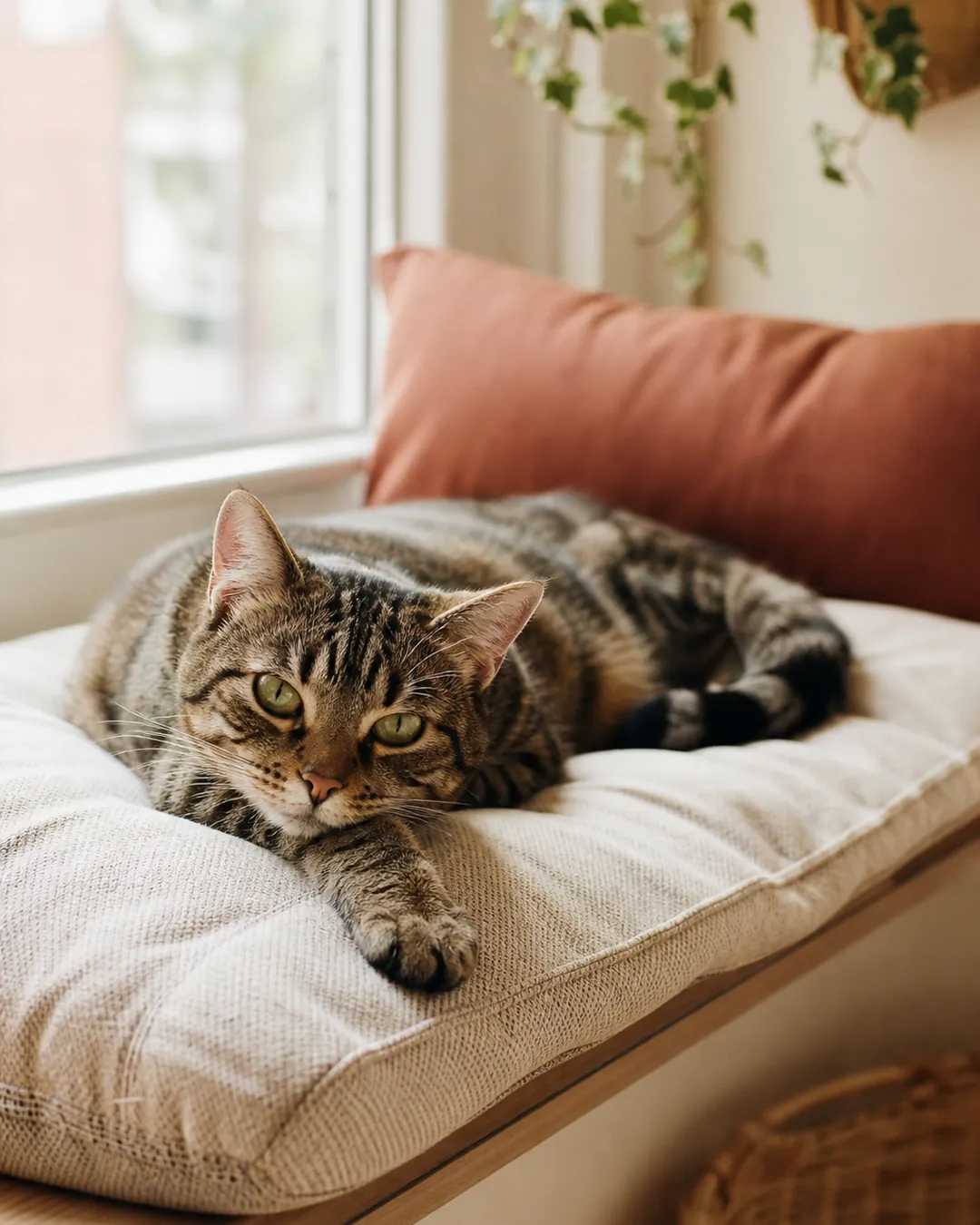
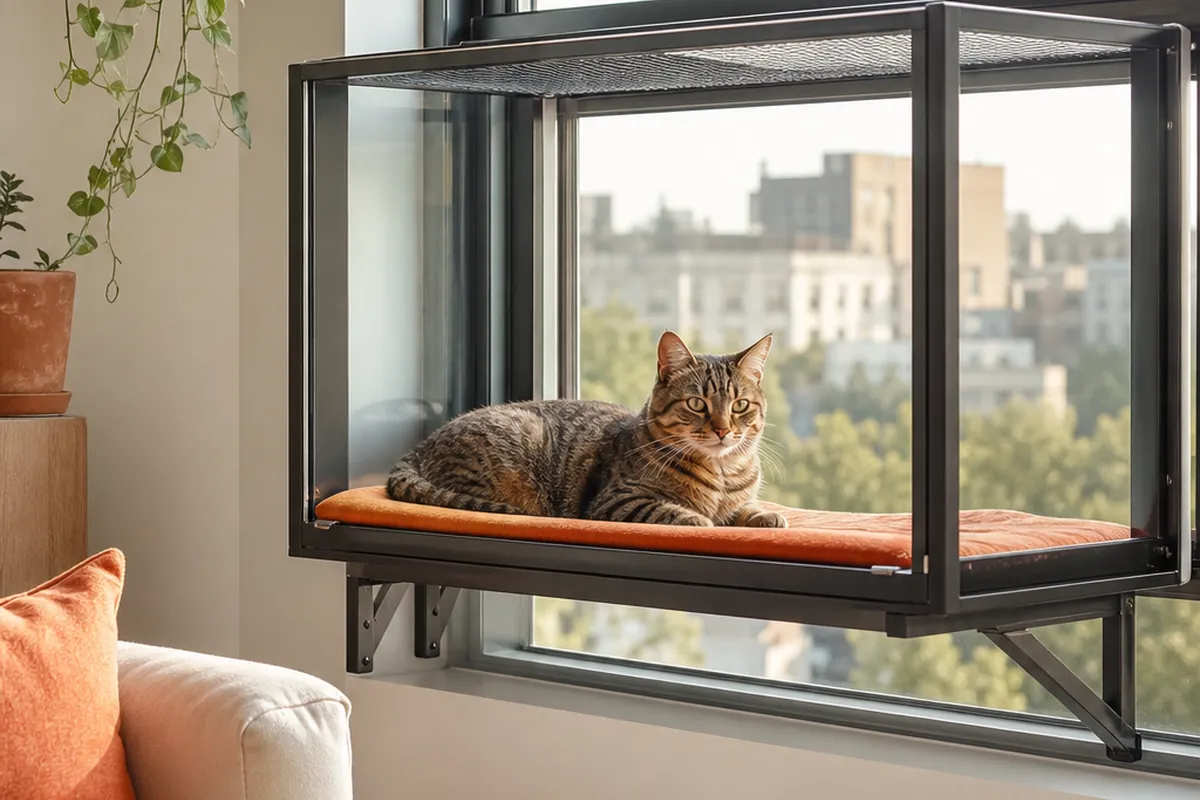
A sill deeper than about four inches is a perch already, and it is stronger than anything you can stick to glass. A cushioned kitty sill at 24 by 14 inches turns a bare ledge into a bed without any mounting at all, which also means nothing to remove when you move out. Measure the sill depth at its narrowest, since older windows taper, and check what is directly below: a radiator under a sill turns a pleasant winter spot into one a cat abandons in spring.
3. Reach for suction only when there is no sill
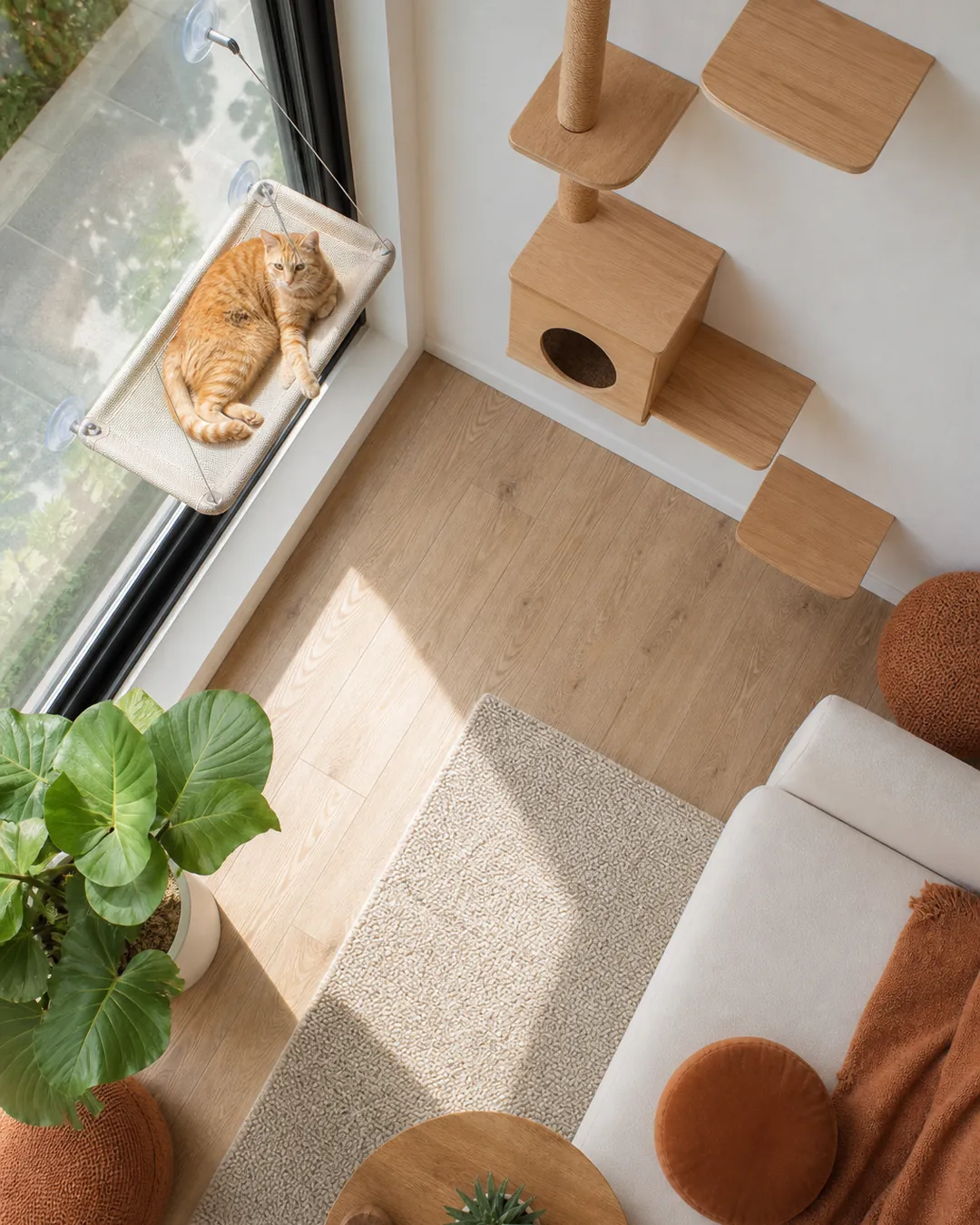
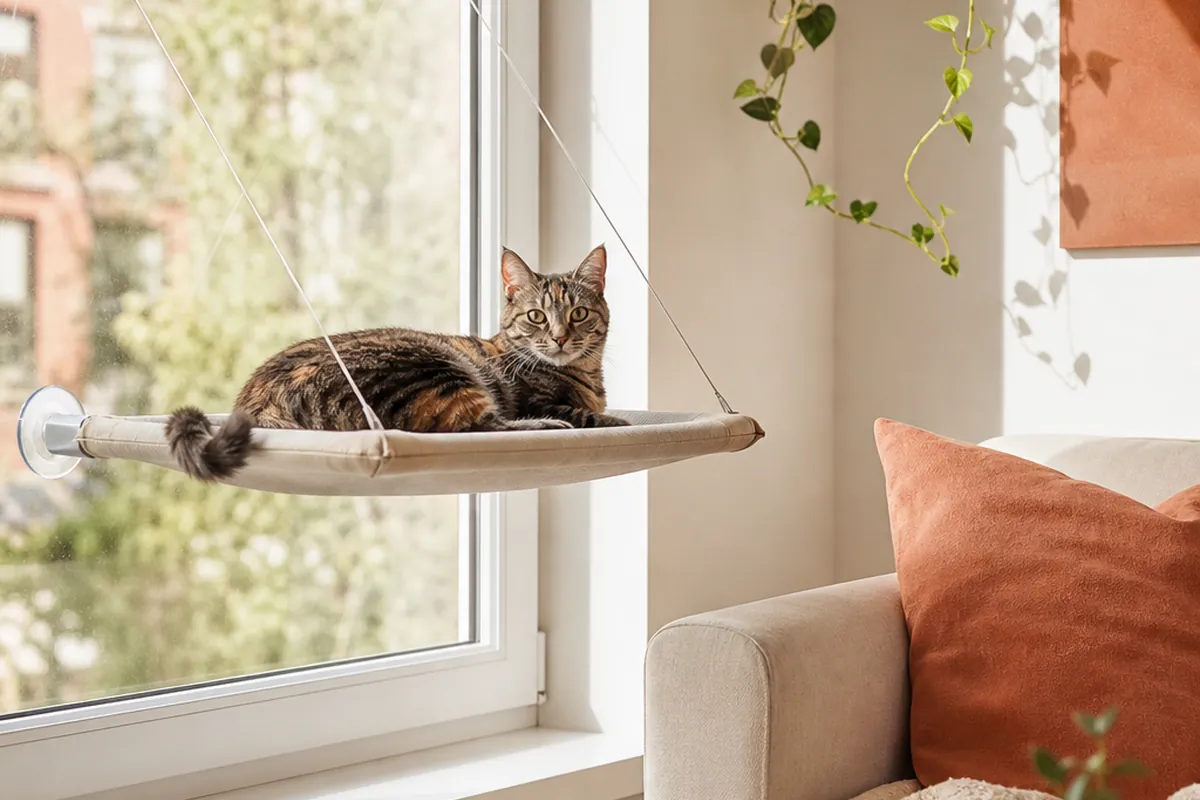
Modern apartments frequently have windows that meet the wall with no ledge worth the name. That is the actual problem suction cups solve. A suction cup window hammock gives a cat a full-body spot on glass that offers nothing, and it comes off cleanly at the end of a tenancy. That same reversibility makes a suction perch a safe present for someone who rents, and these gifts for cat lovers who live small pick out more like it for small apartments.
4. Test your glass before you commit
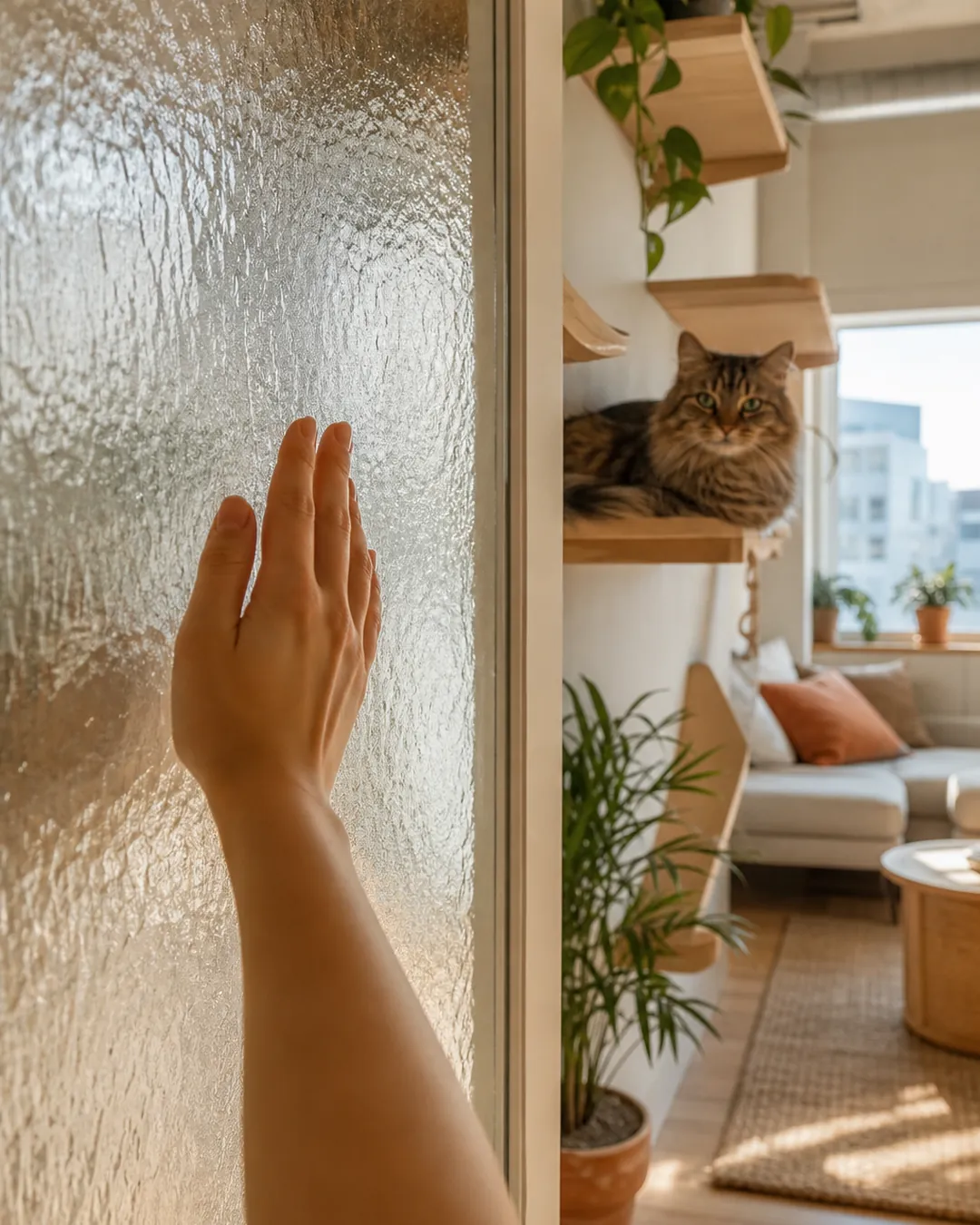
Suction fails on texture, not on age. Run a hand over the glass: if it is frosted, patterned, or has a film on it, cups will hold for a week and then let go at three in the morning. Old single glazing in a cold north-facing room is the other failure case, because the cup material stiffens as it chills. Applied privacy film is the sneaky one, since it feels smooth to a fingertip but has just enough texture at the edges to leak air. If your windows are filmed, mount to a clear pane elsewhere or skip suction entirely.
5. Clean with alcohol, not with glass cleaner
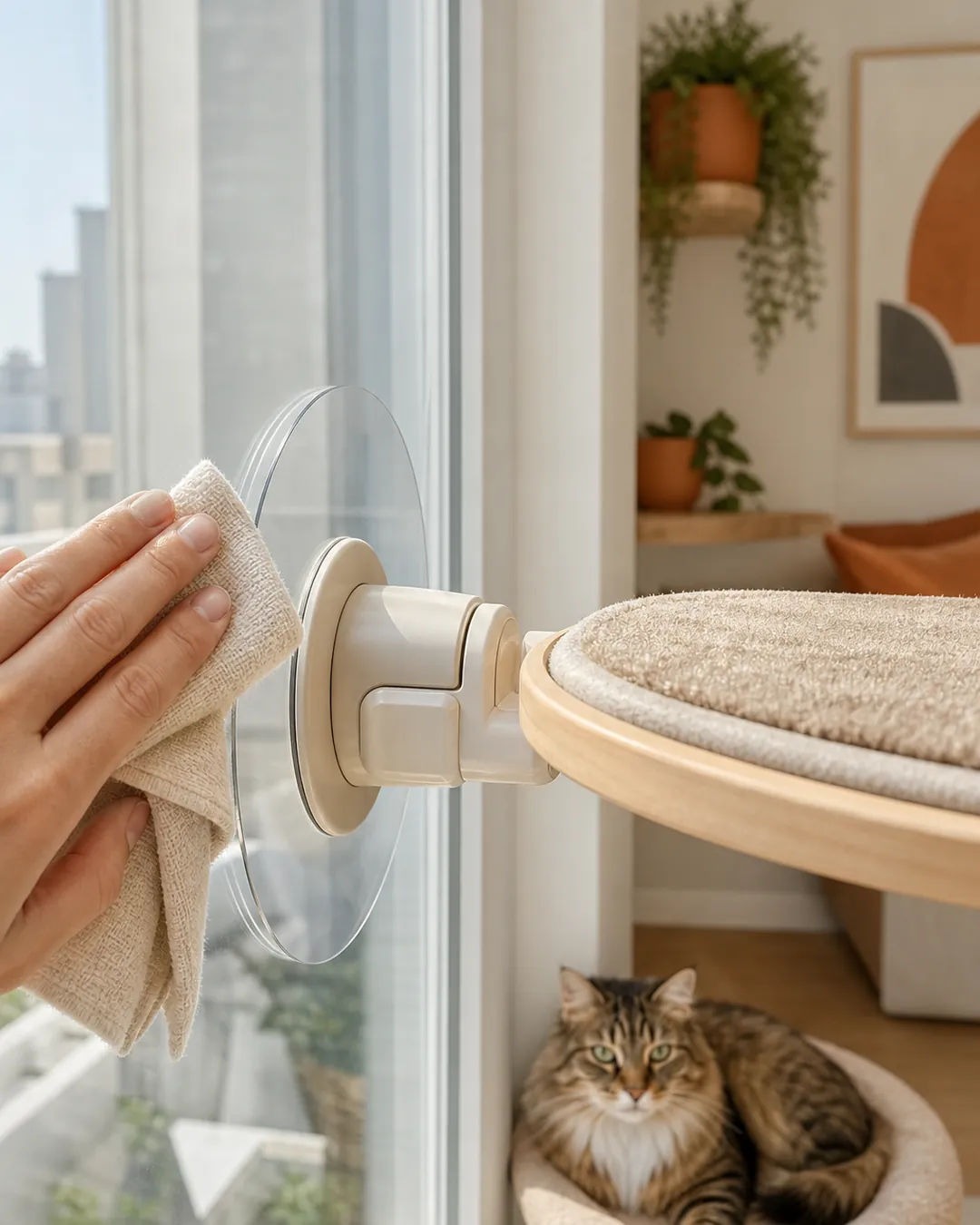
Most household glass cleaners leave a residue that is invisible and exactly what suction cups hate. Wipe the mounting circles with rubbing alcohol and let them dry fully. This one step is the difference between a perch that holds for a year and one that becomes a monthly ritual of pressing cups back on.
6. Mount low enough to be reachable
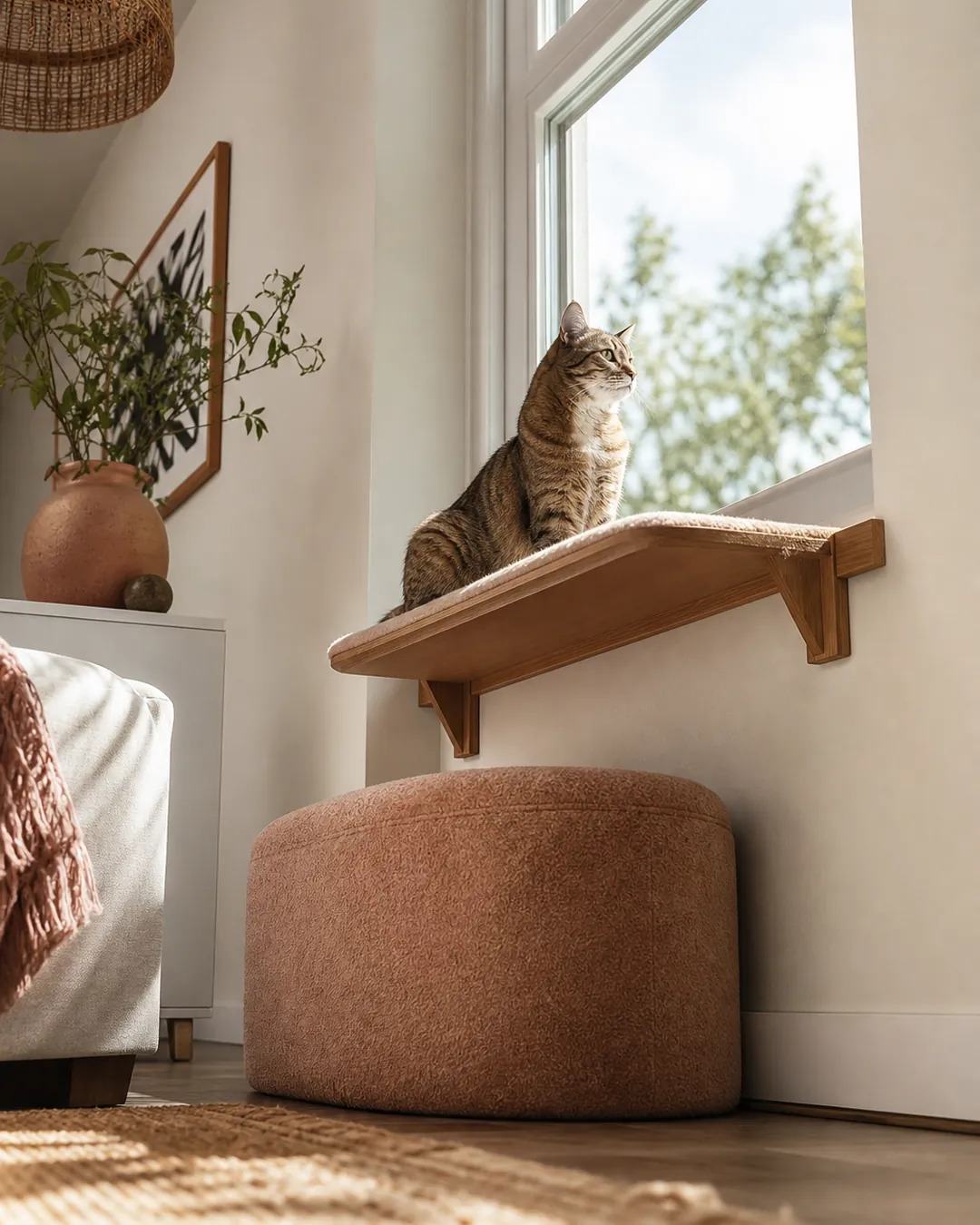
A perch at chest height looks good in a photograph and requires a jump the cat has to commit to. Mount it where the cat can step up from a nearby surface, or provide that surface. Cats will take a route with an intermediate step over a single big jump almost every time, and older cats will simply decline the jump. Getting down matters more than getting up, so check there is a clear landing patch below rather than a bookcase edge. If nothing nearby can serve as that intermediate surface, a short ladder can supply one, and these cat ladder ideas for reaching high shelves cover the angle, rung spacing and grip that make one worth climbing.
7. Put something outside the glass
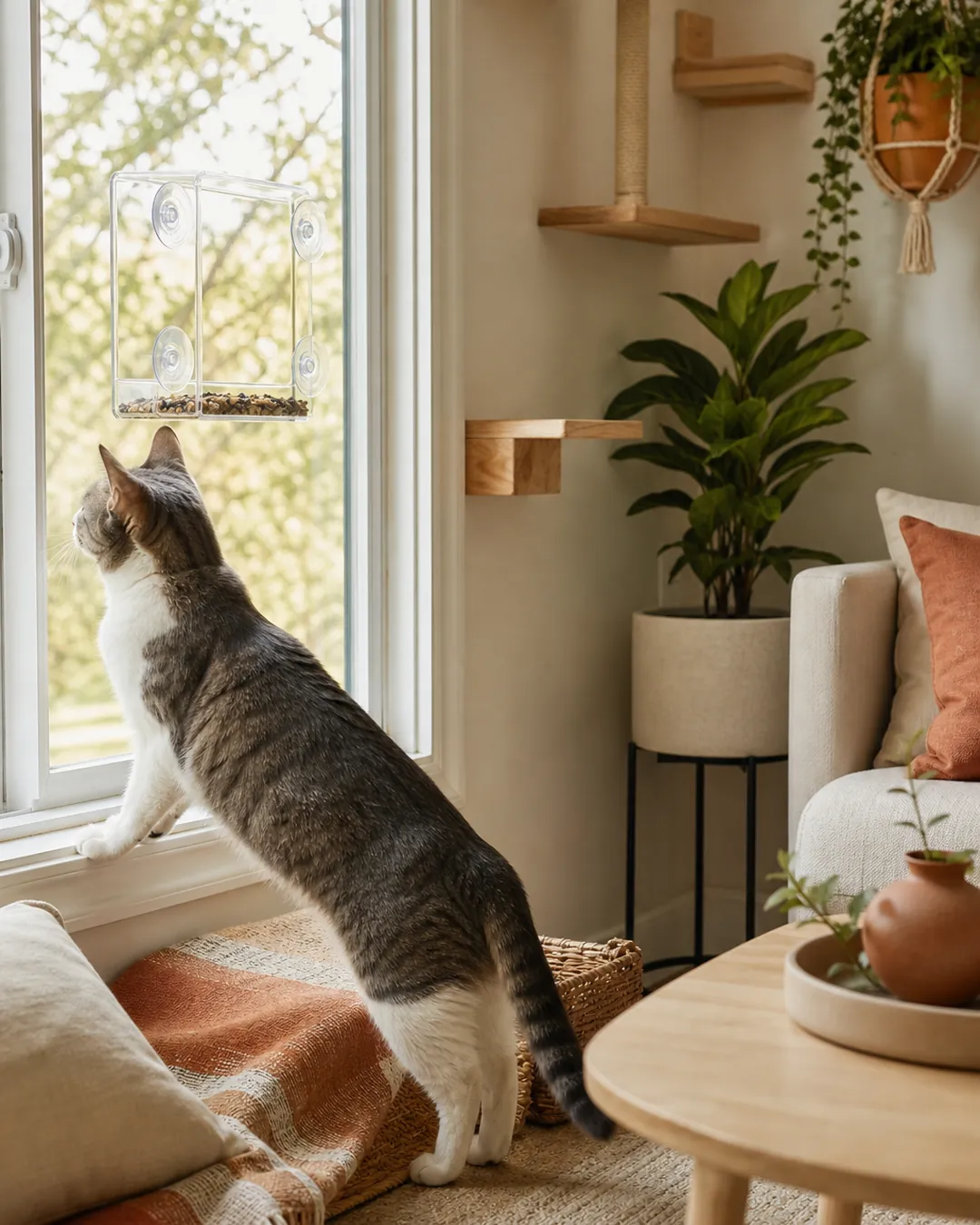
The perch gives a cat a place to be; the window gives it something to watch, and you can improve that. A clear window bird feeder with suction cups turns a static view into changing traffic for the price of a bag of seed. Mount it slightly off to one side rather than directly above, so the cat is not lying underneath falling husks. Expect it to take a week or two before anything visits, and expect to sweep a balcony more often. If you are on a high floor, feeders attract less traffic, so set the expectation before you buy one as the centrepiece of the setup.
If the window opens onto a balcony, the step beyond a feeder is letting the cat out into a netted space of its own, and catio ideas for apartments and balconies covers how to do that without a single hole in the building.
8. Deal with the heat before summer does
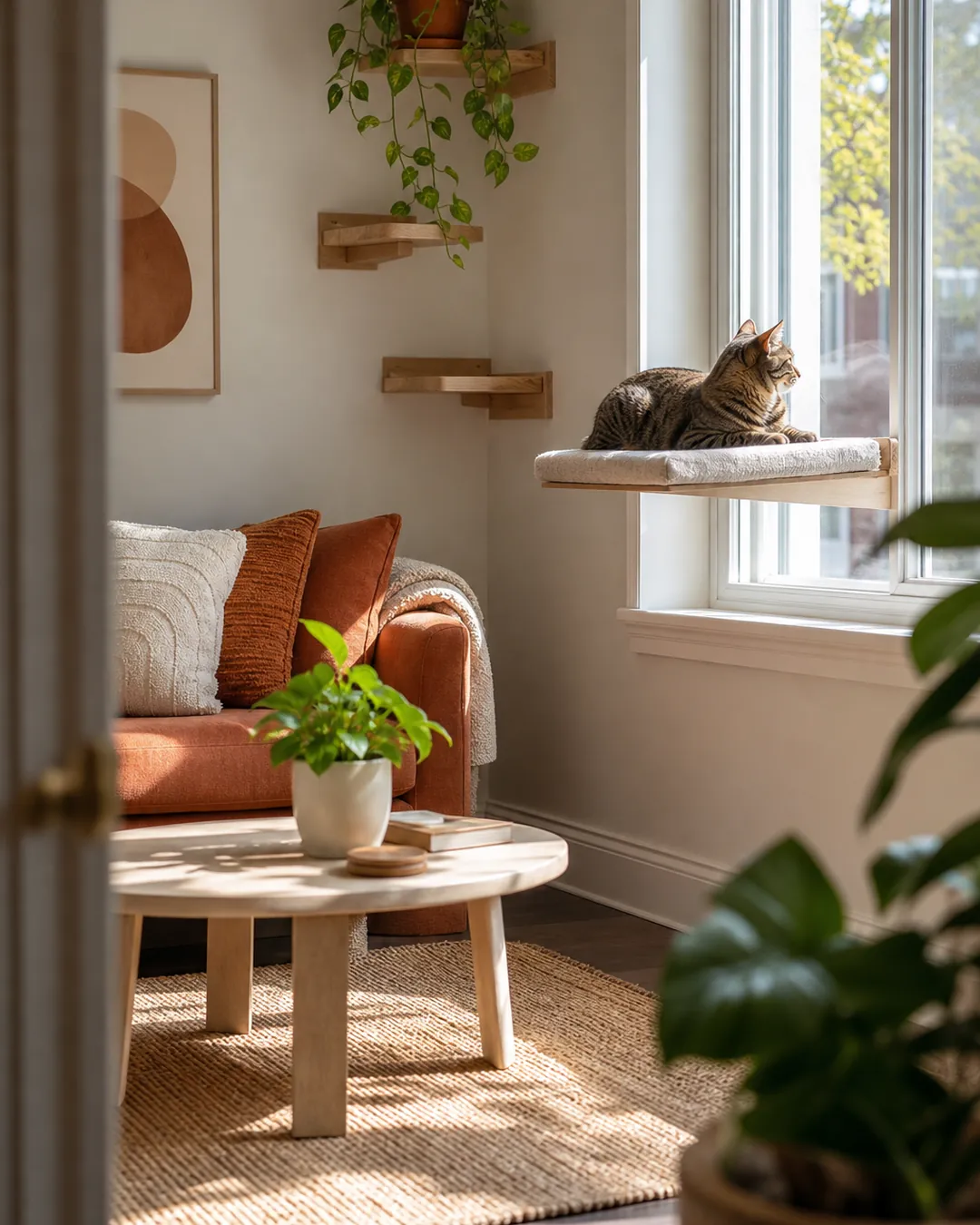
South-facing glass gets genuinely hot, and a black or dark-fabric perch in direct afternoon sun becomes uncomfortable in a way a cat will simply avoid. Light colored, breathable fabric holds up better. If the window bakes, a perch that is easy to unclip and move to a cooler window in July is worth more than the perfect permanent install. This is the argument for suction over anything screwed down even when you could screw it down: the ability to move a perch across the apartment in five minutes is a real feature, not a compromise.
9. Check the cups monthly, not annually
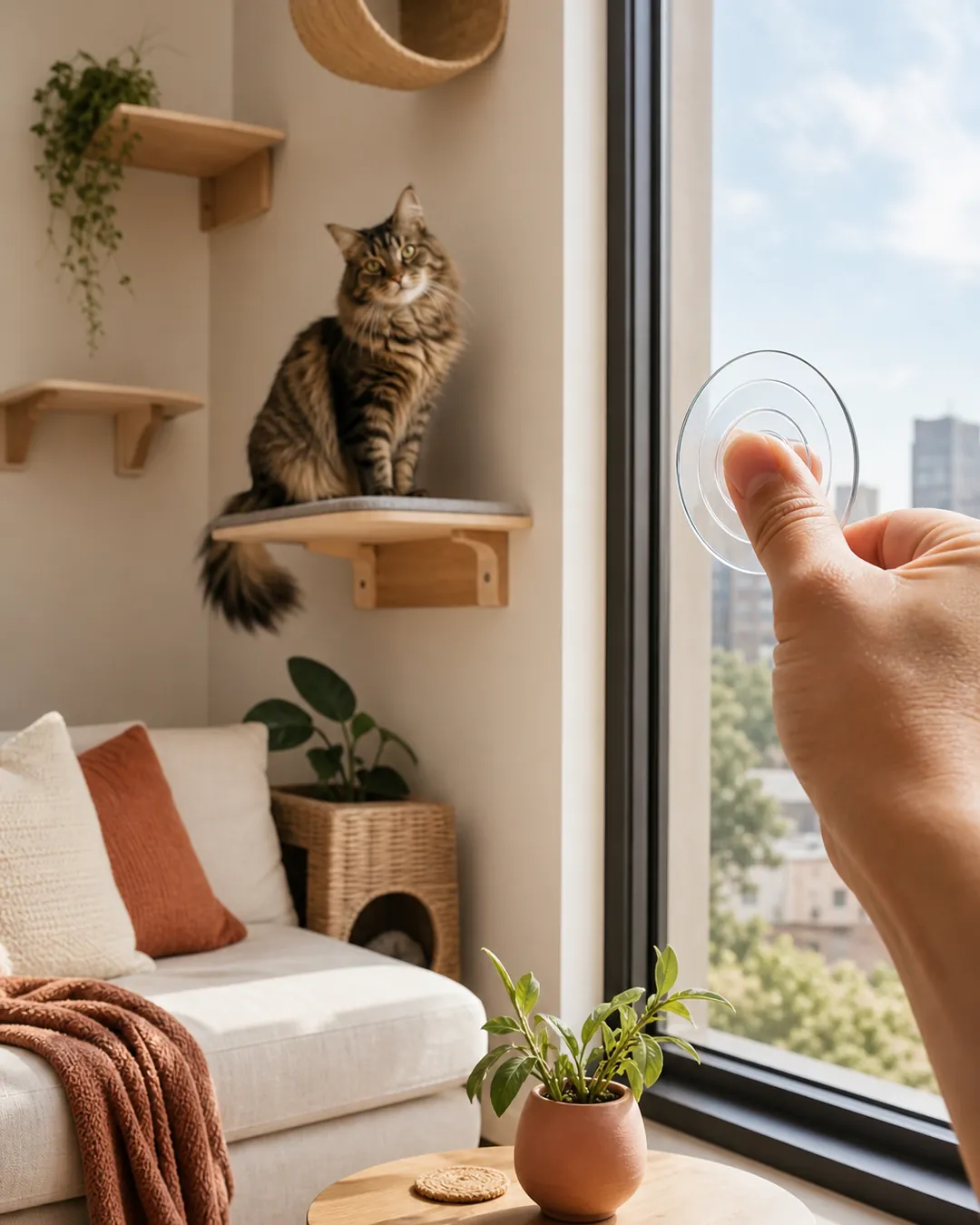
Suction is not a fit-and-forget mount. Set a reminder, press each cup firmly once a month, and replace the set when they stop holding a firm press. Most perches sold with replaceable cups sell replacements separately, and buying a spare set with the perch costs very little. The tell that a cup is going is a faint ring of trapped air at the edge rather than a clear contact patch. Check that before you check anything else, because it shows up days before the perch actually drops.
Where to start
Do nothing for two days except watch. The single most common mistake here is buying for the window that looks best to you rather than the one the cat has already chosen, and it is entirely avoidable.
While you are watching, note the height the cat currently reaches that window from. That is your mounting height, and it is usually lower than the height that looks right to a standing adult.
Then check whether you have a sill. If you do, buy a cushioned sill bed and stop; it is cheaper, stronger and completely reversible. If you do not, run your hand over the glass to confirm it is smooth, clean it with alcohol, and fit a suction perch at a height the cat can step up to rather than leap at.
One caution worth stating plainly: a window perch changes how much time a cat spends watching the outside world, and for most cats that is enrichment. For a cat that already reacts badly to what it sees out there, adding a front-row seat can make that worse rather than better. If yours is the second kind, a perch at a quieter window is the better buy.
Add the bird feeder last, and only once the perch is being used. It is an upgrade to a spot that is working, not a way to rescue a spot that is not. A window a cat ignores does not become interesting because there is a feeder on it; it usually just means you picked the wrong window.