There is a particular kind of dog bed that gets bought, ignored for two weeks, and quietly moved to a spare room. It is almost never a bad bed. It is usually the wrong shape for how that dog sleeps, or the right shape in a spot the dog was never going to settle in. Both are avoidable, and neither requires spending more.
Eleven ideas, weighted toward the two decisions that actually matter.
It is worth knowing that a dog bed in a small apartment is doing more work than the same bed in a house. It is the only spot rather than one of several, it is usually in the room everyone else is in, and it is visible from everywhere. That raises the bar on both comfort and appearance, and it is why the cheap-bed-in-the-corner approach that works in a house tends to fail in a one bedroom.
1. Watch how your dog sleeps before you buy
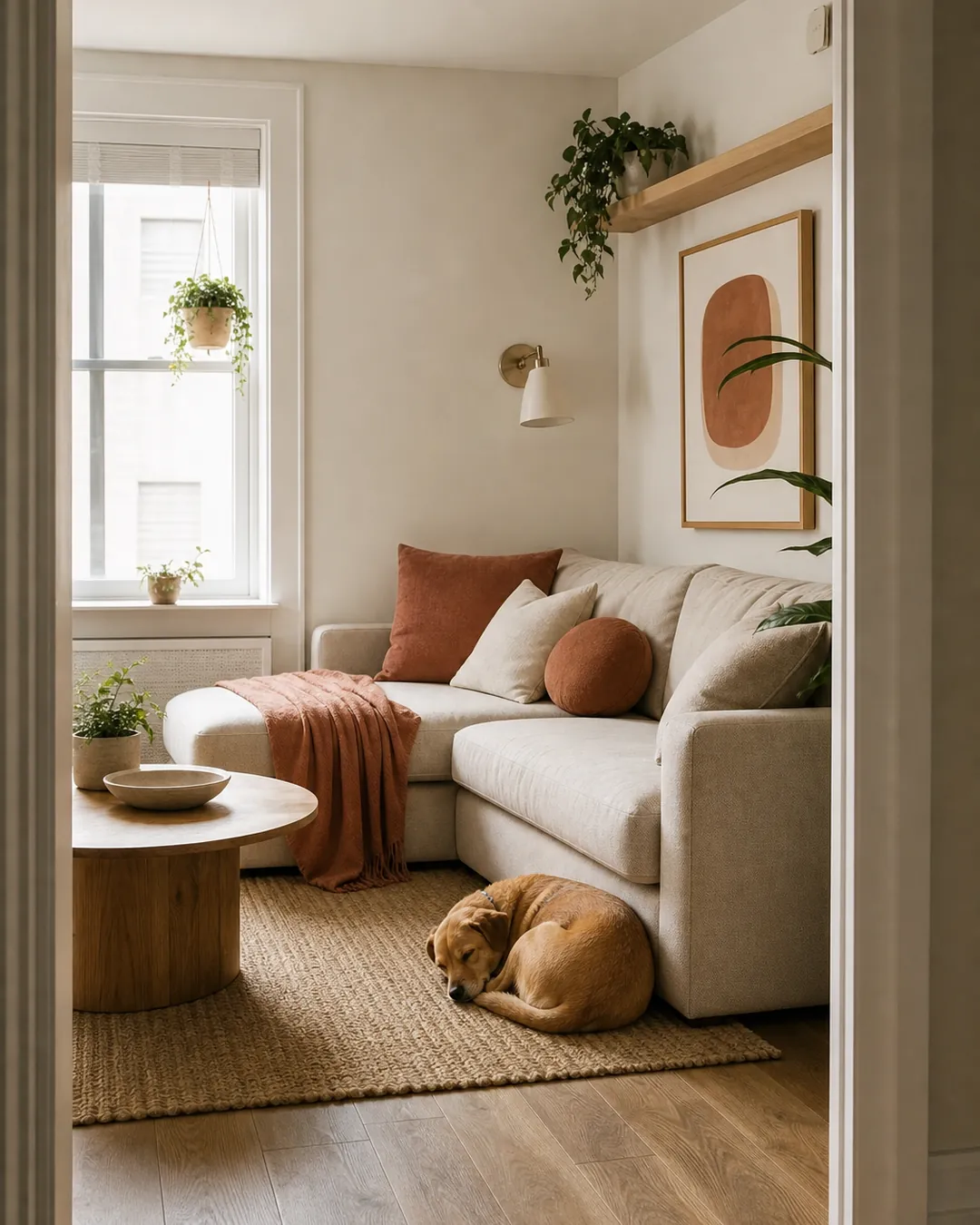
Curlers want walls to press against. Sprawlers want length and a flat surface. Dogs that rest their chin on something want a raised edge on at least one side. Ten minutes of observation eliminates most of the catalog and is the highest-value thing on this list. Watch at two different times of day if you can, because a lot of dogs curl tight in the evening and sprawl flat in the afternoon, and the bed needs to serve the position they hold longest.
2. Measure the dog asleep, not standing
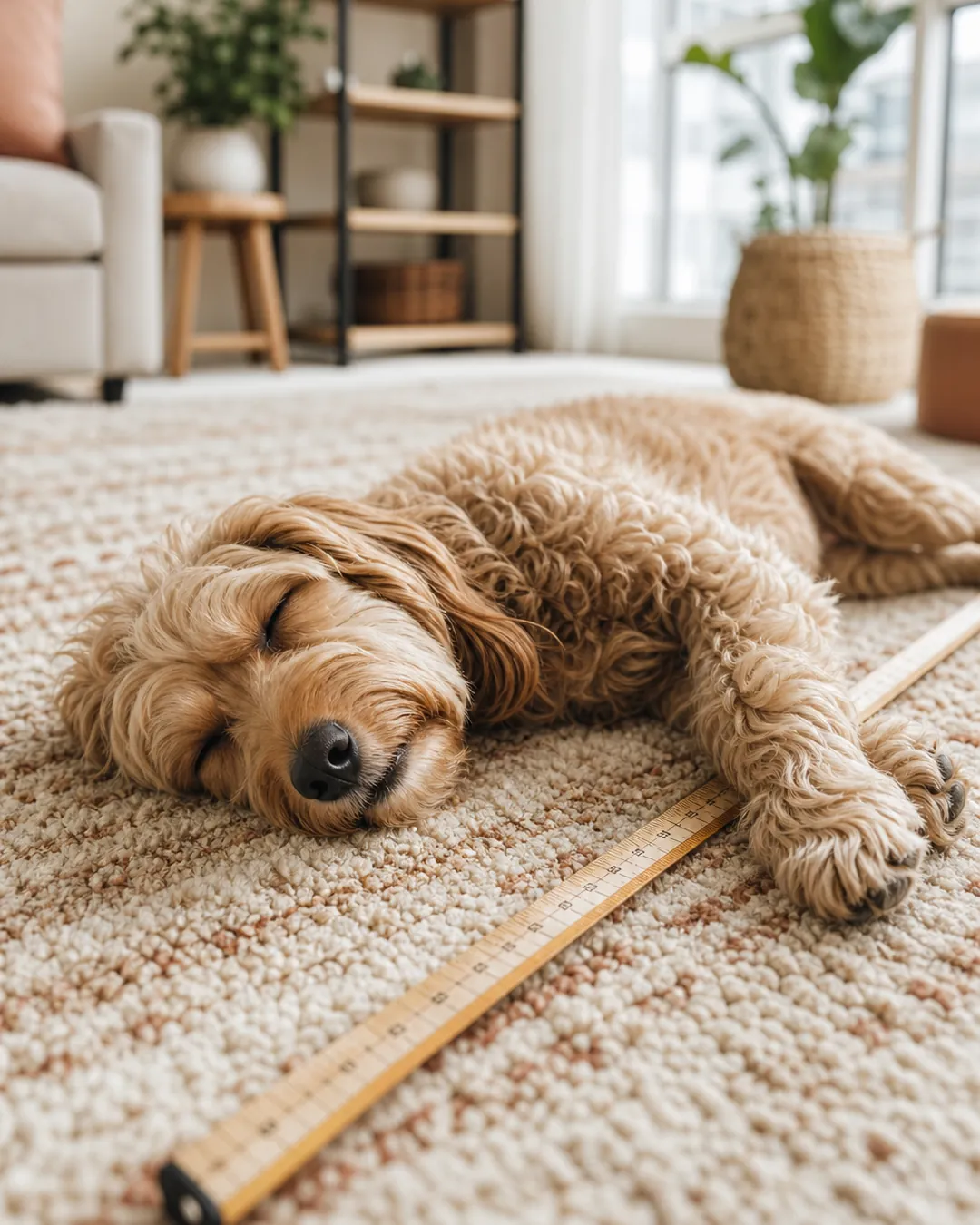
Size charts assume a standing dog and sell you more bed than you need, which in a small apartment is floor you are giving away. Measure the dog in its usual sleeping shape and add a few inches. A curled dog frequently needs a size smaller than the chart says.
3. Buy bolster for curlers
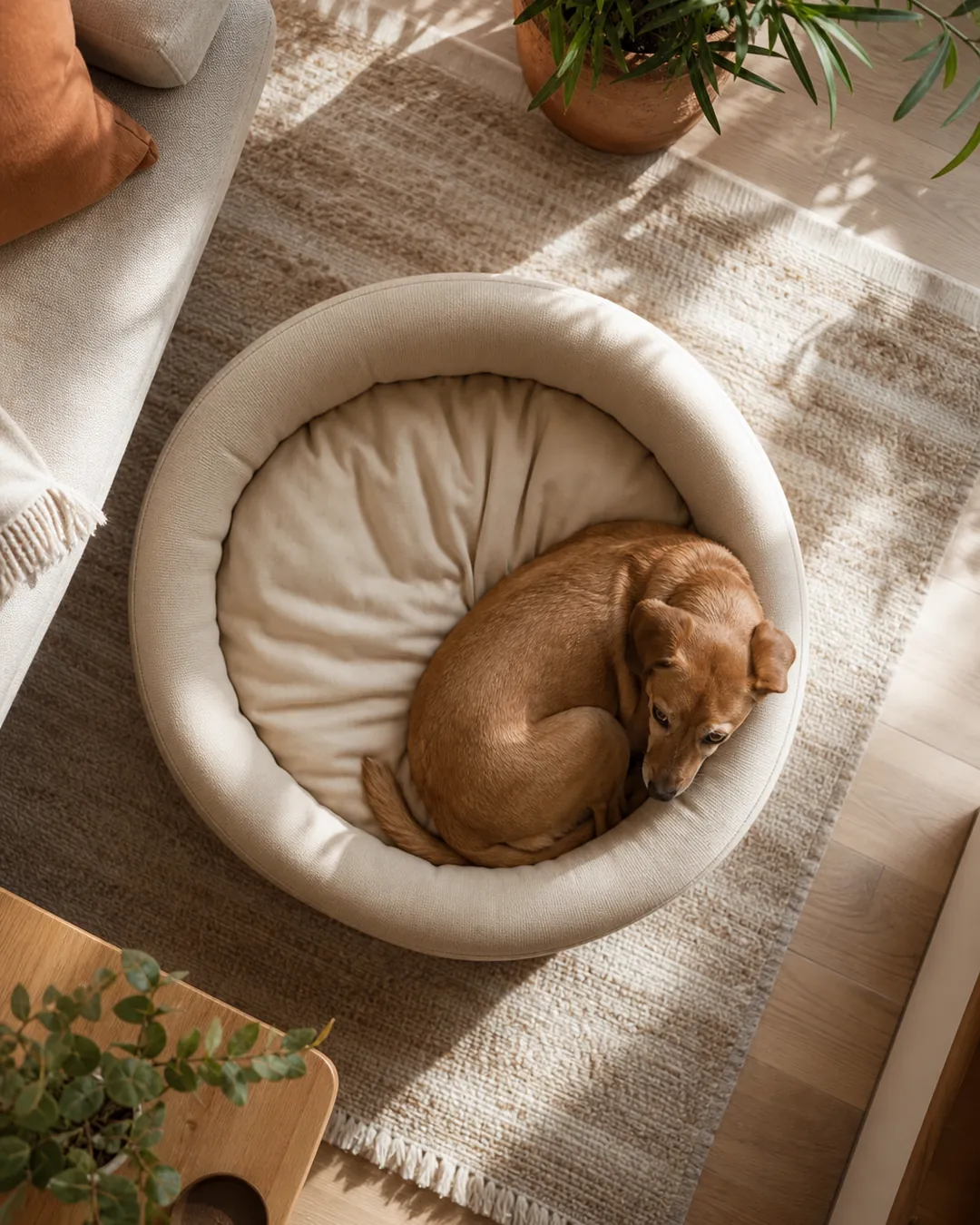
Raised sides give a curled dog something to brace against and give the room a defined object instead of a flat pad. A waterproof orthopedic bed with raised sides does both, and the waterproof base matters more than it sounds on hard floor, where anything that gets through the cover goes straight onto the laminate.
4. Buy flat for sprawlers
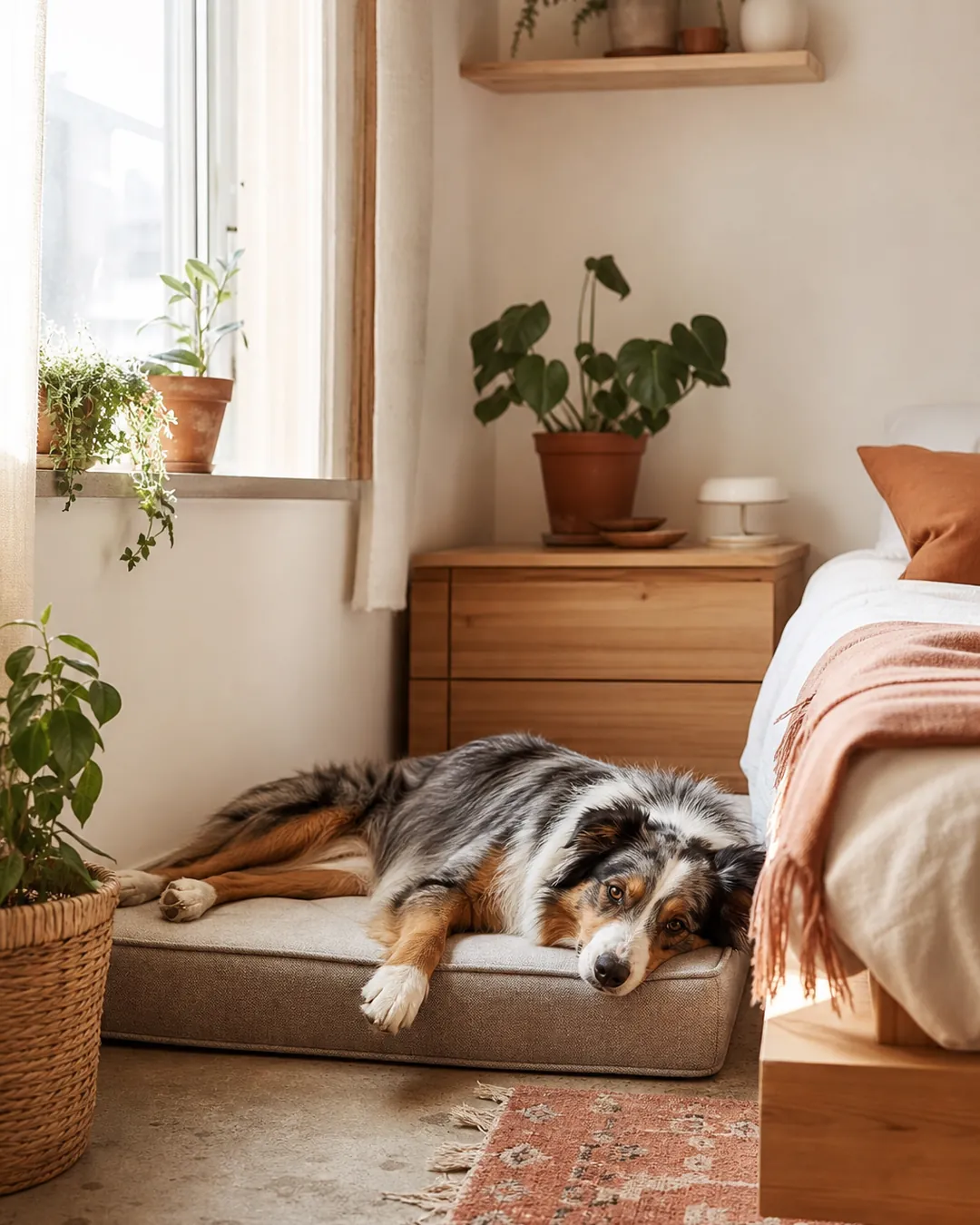
A dog that sleeps on its side with its legs out will hang off a bolster bed and eventually stop using it. A flat mat with no walls looks less appealing in a photograph and is the correct purchase for that dog. Do not buy the prettier one and hope.
5. Consider an elevated cot on hard floor
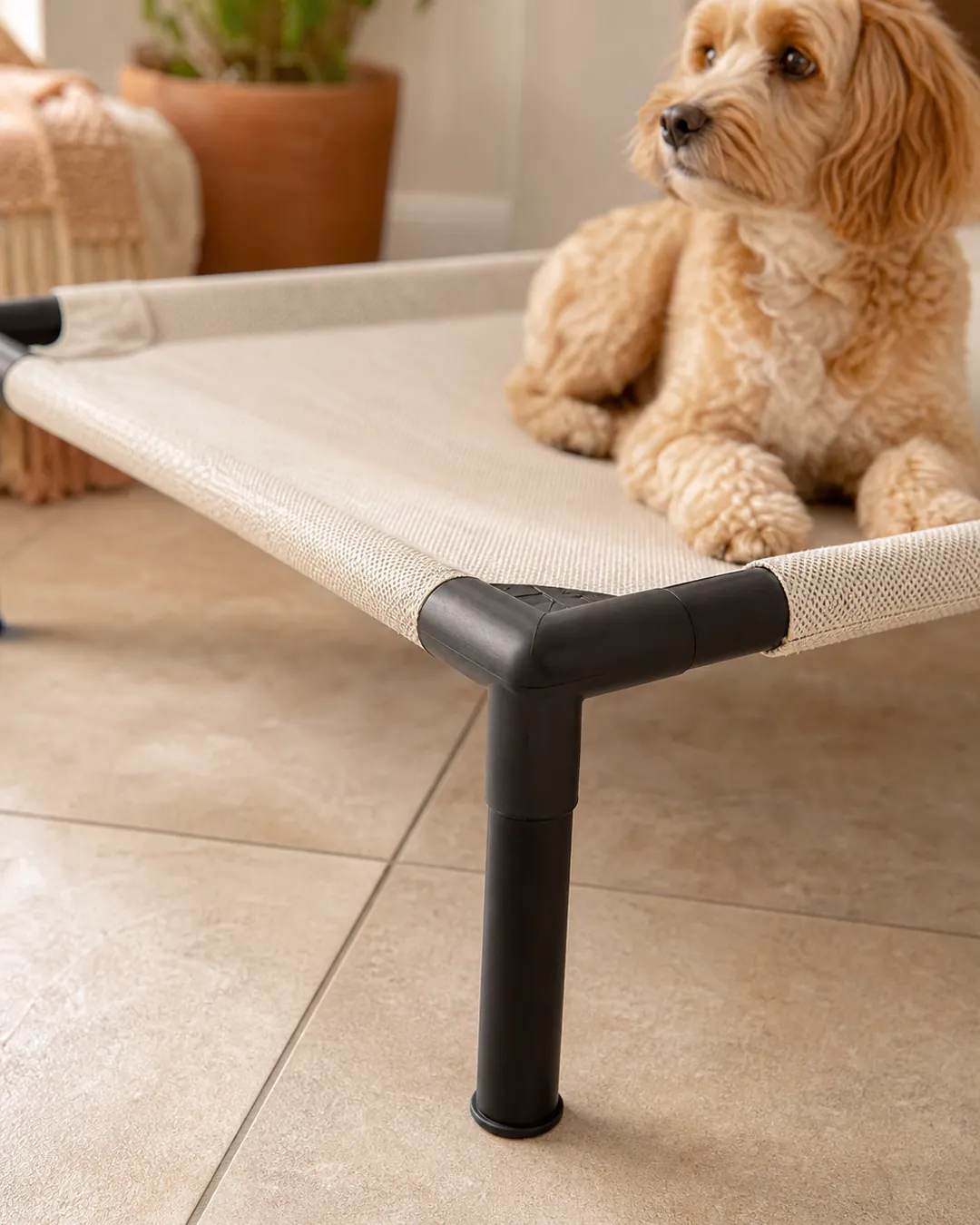
Apartments are full of tile and laminate, both of which are cold and both of which broadcast every shuffle. A raised pet cot for small dogs lifts the dog clear, stays cooler through summer, and lets you sweep underneath rather than around. It is also the easiest bed in this list to move. The trade is that a bare mesh cot is unappealing in winter, so most people end up with a cot for the warm months and something padded for the cold, which is two beds but only one of them out at a time.
6. Put it against a wall
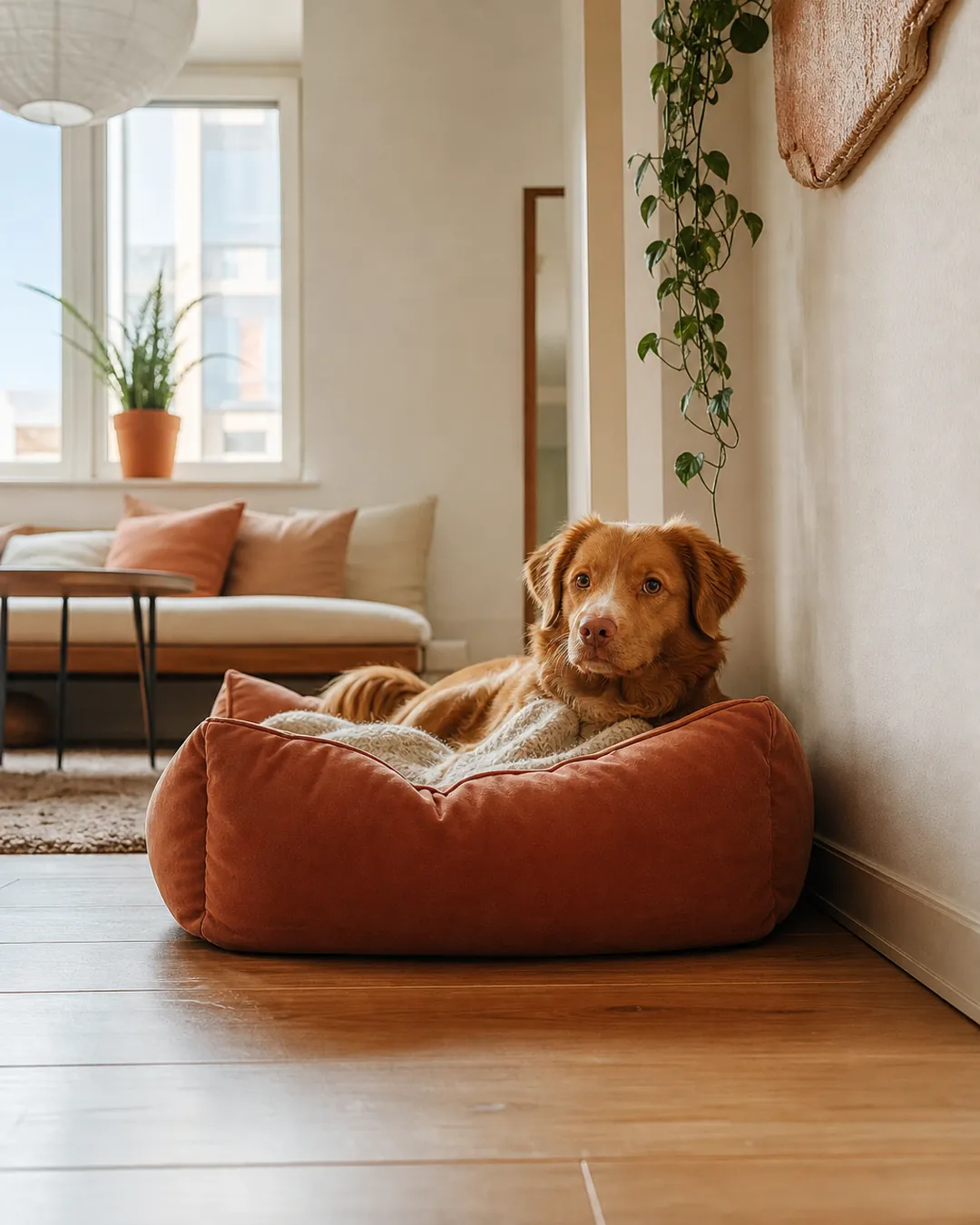
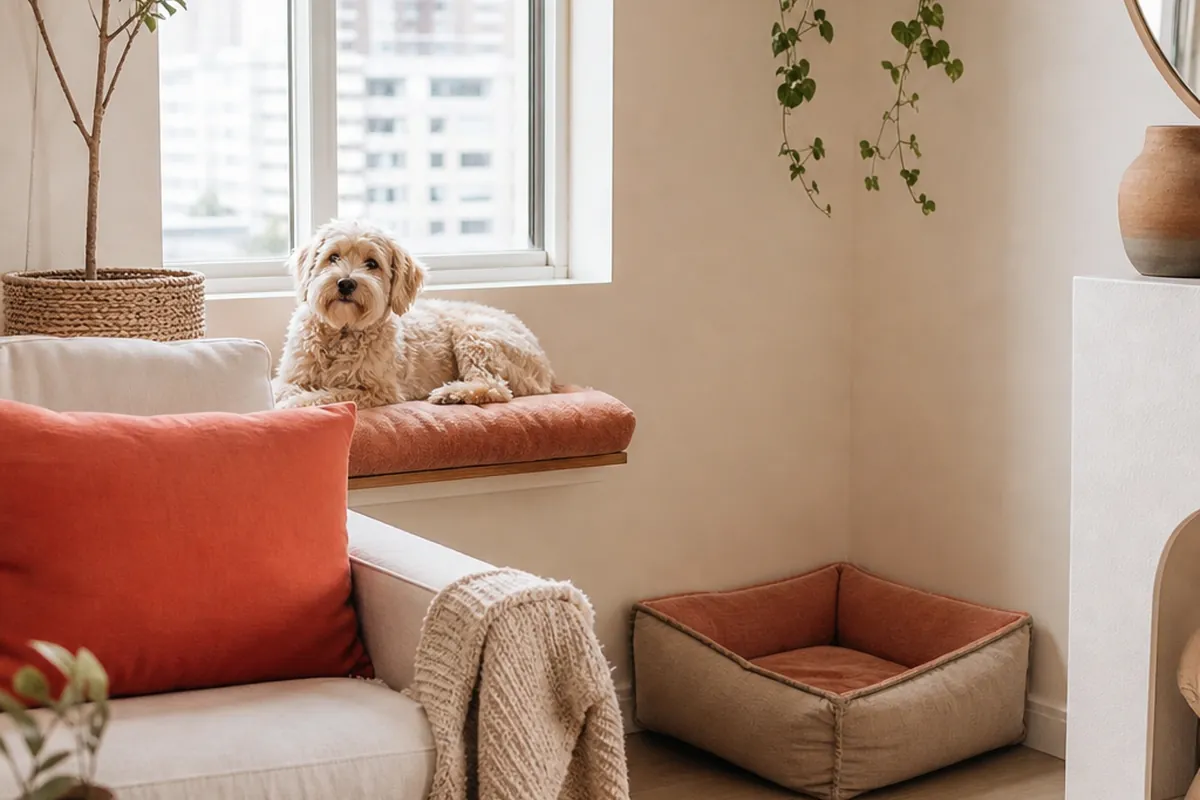
A bed in open floor is exposed on four sides and gets naps rather than sleep. Against a wall, or better into a corner, and the dog settles. This one change rescues more rejected beds than any replacement purchase.
7. Give it a view of the room
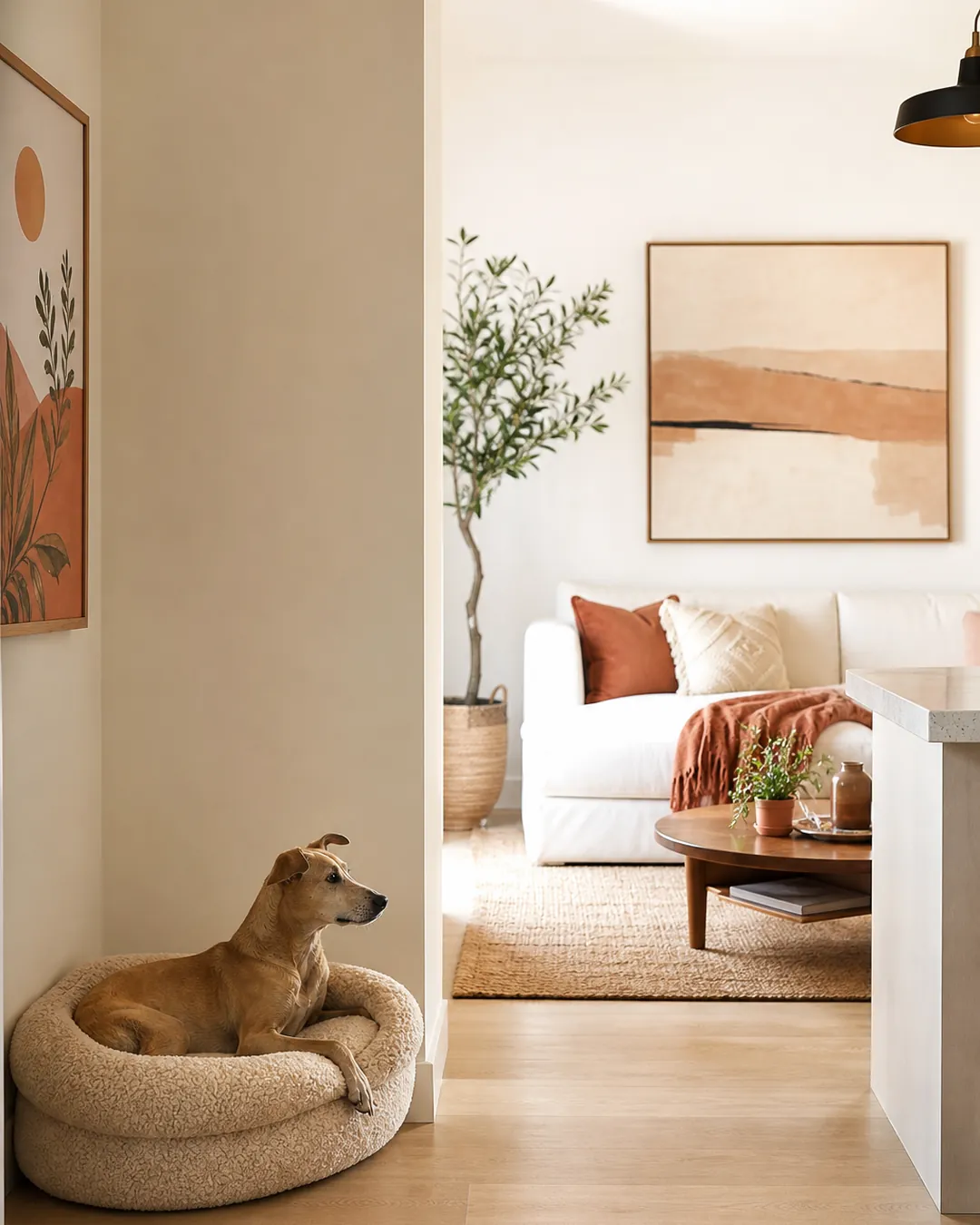
Wall behind, room in front. A bed facing into a corner asks a dog to sleep with its back to the door, which few dogs will do properly. If the only wall space faces away from the room, turn the bed rather than the dog.
8. Keep it out of the walkway
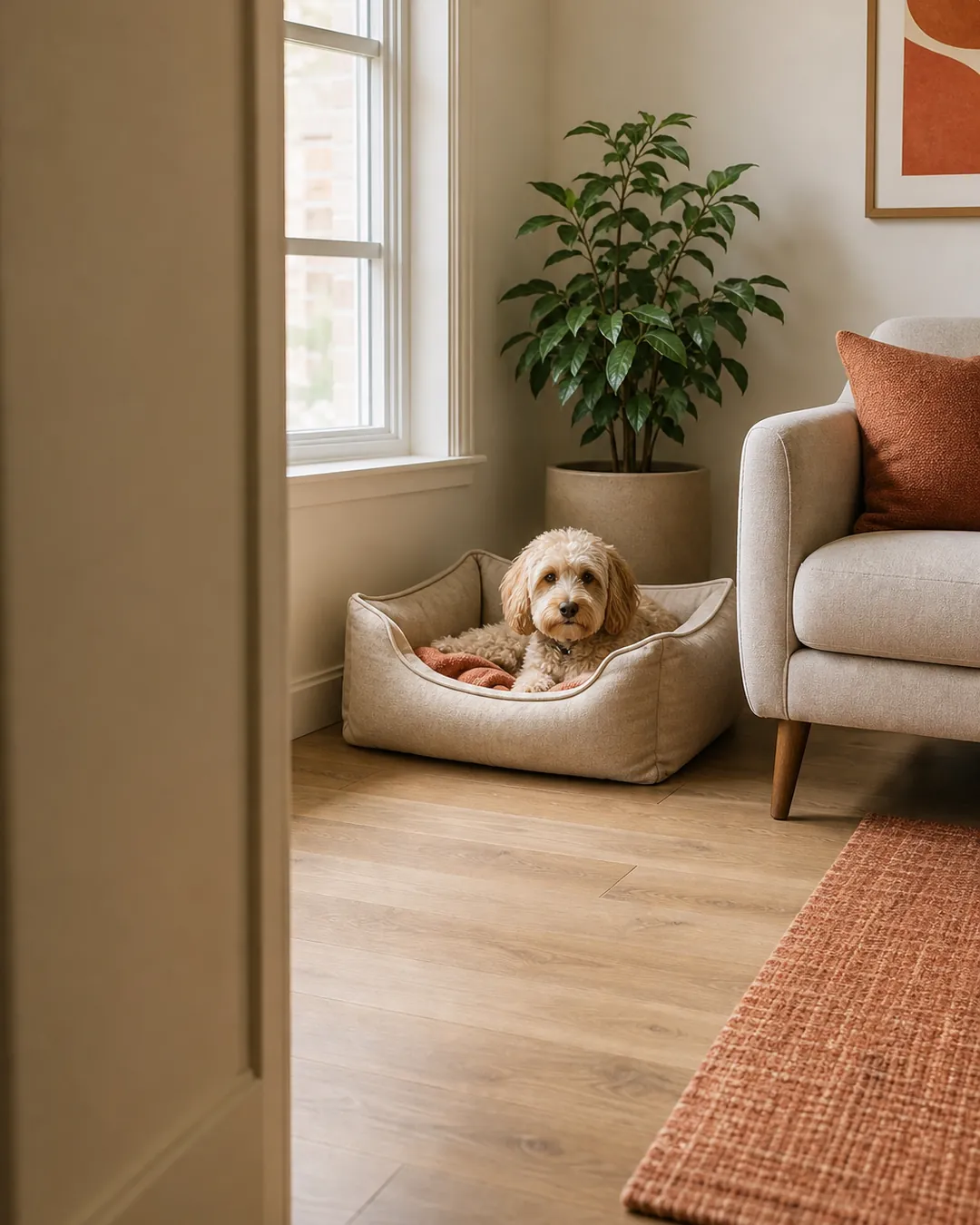
A bed that people step over gets stepped on eventually, and a dog that has been trodden on relocates permanently. Check the route from the sofa to the kitchen and make sure the bed is not on it. In a one bedroom there are usually only two or three walking lines and they are easy to spot: put a piece of paper on the floor where you think the bed should go and see whether you have kicked it by the end of the evening.
9. Buy for the cover, not the filling
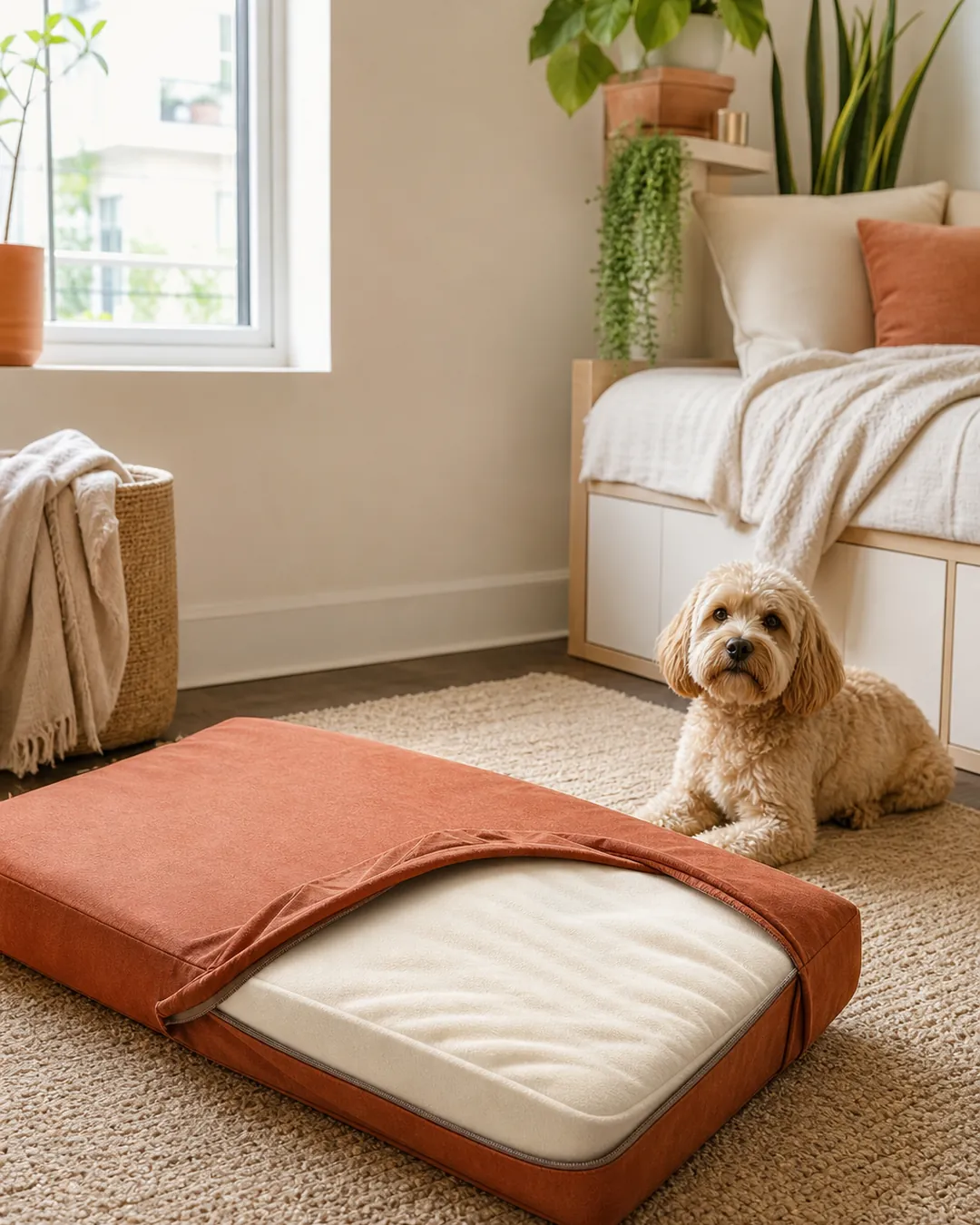
Every bed gets dirty. A bed whose cover unzips and goes in a machine gets washed; one that has to be washed whole gets washed twice a year. Check the zip exists and check the cover comes off without dismantling anything else. Bolster beds are the common offender here: the walls are often stuffed separately and the cover only comes off the base, which means the part that touches the dog’s face is the part you cannot clean.
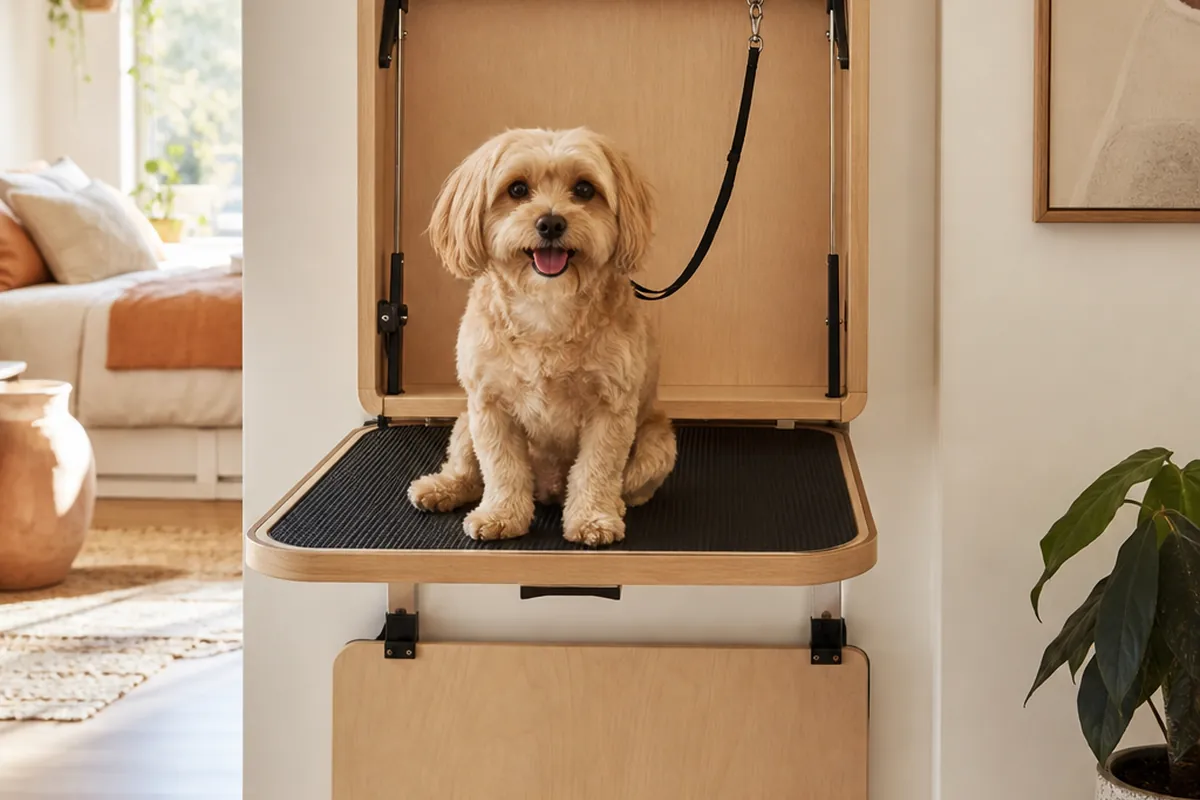
The cover is also where most of the loose hair in a small apartment ends up, and pet hair cleanup ideas for small apartments starts with the fabrics for exactly that reason. Brushing the dog somewhere other than the bed helps as well, and a dog grooming station for a small apartment gives that job one corner with a floor that wipes clean.
10. Buy a spare cover with the bed
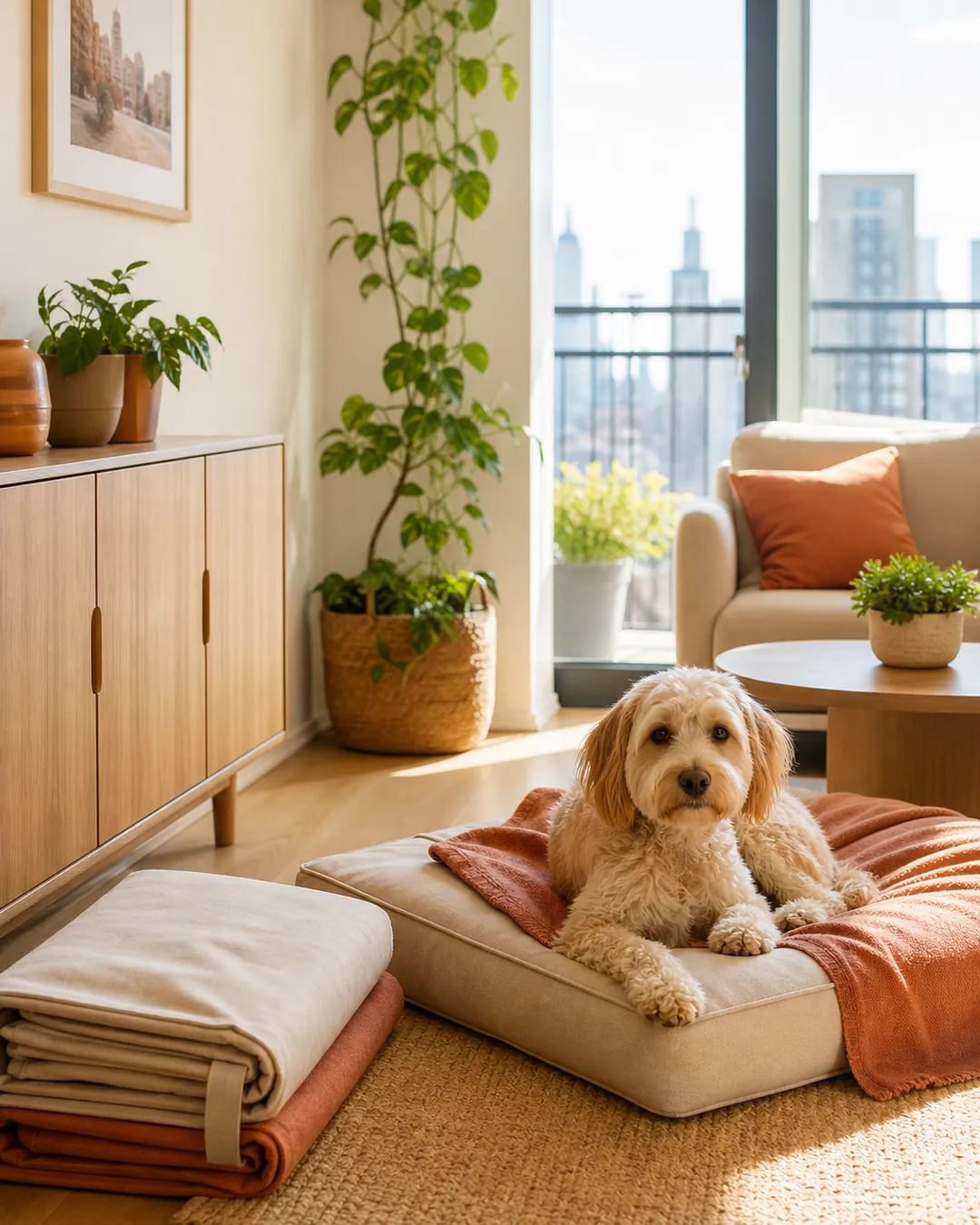
A replacement cover in plush faux fur means the bed stays in service on wash day rather than the dog being turfed onto the sofa for six hours. It also doubles the life of a bed you like, which is cheaper than replacing the whole thing when the first cover wears through.
11. Give a second, quieter spot if the room is busy
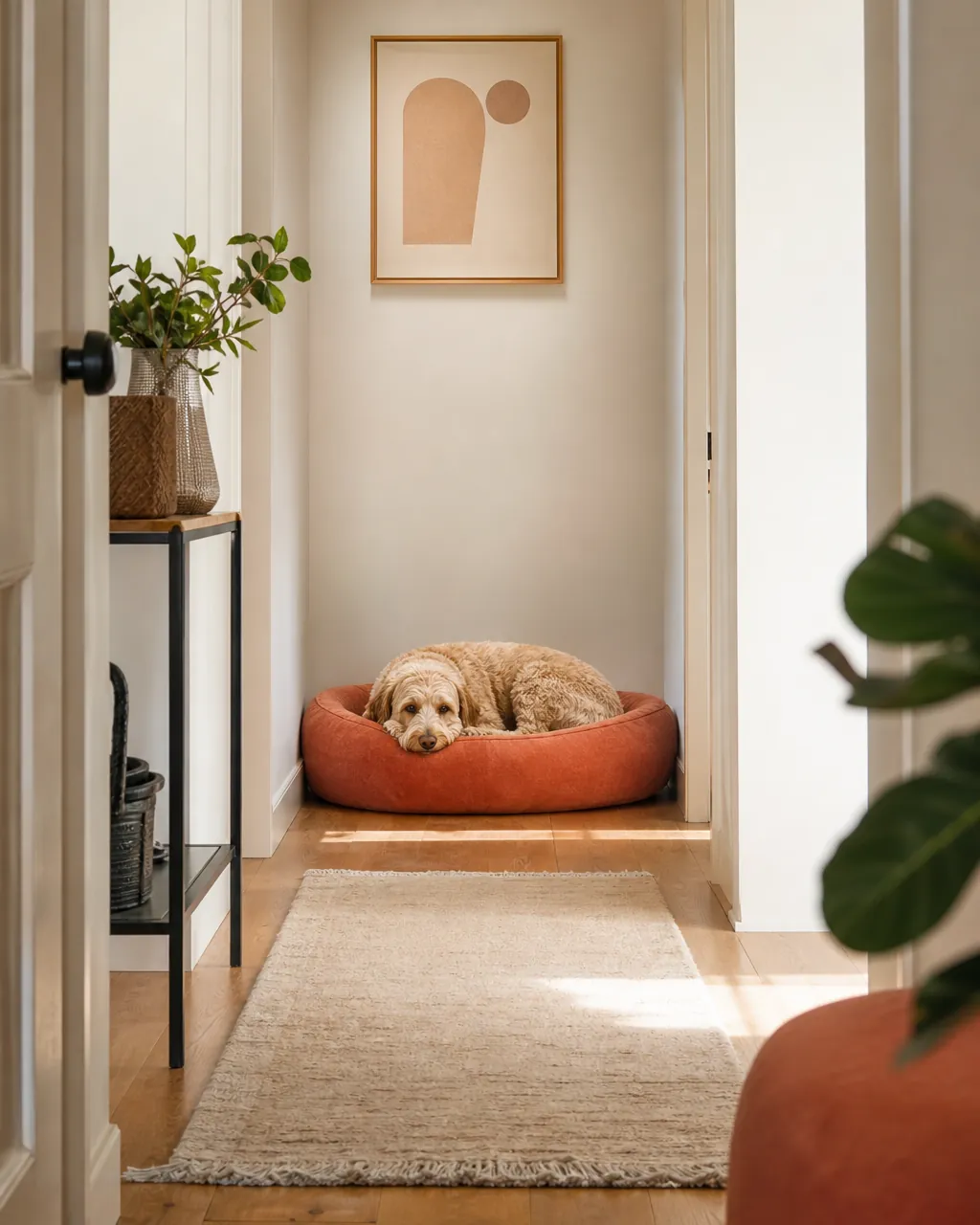
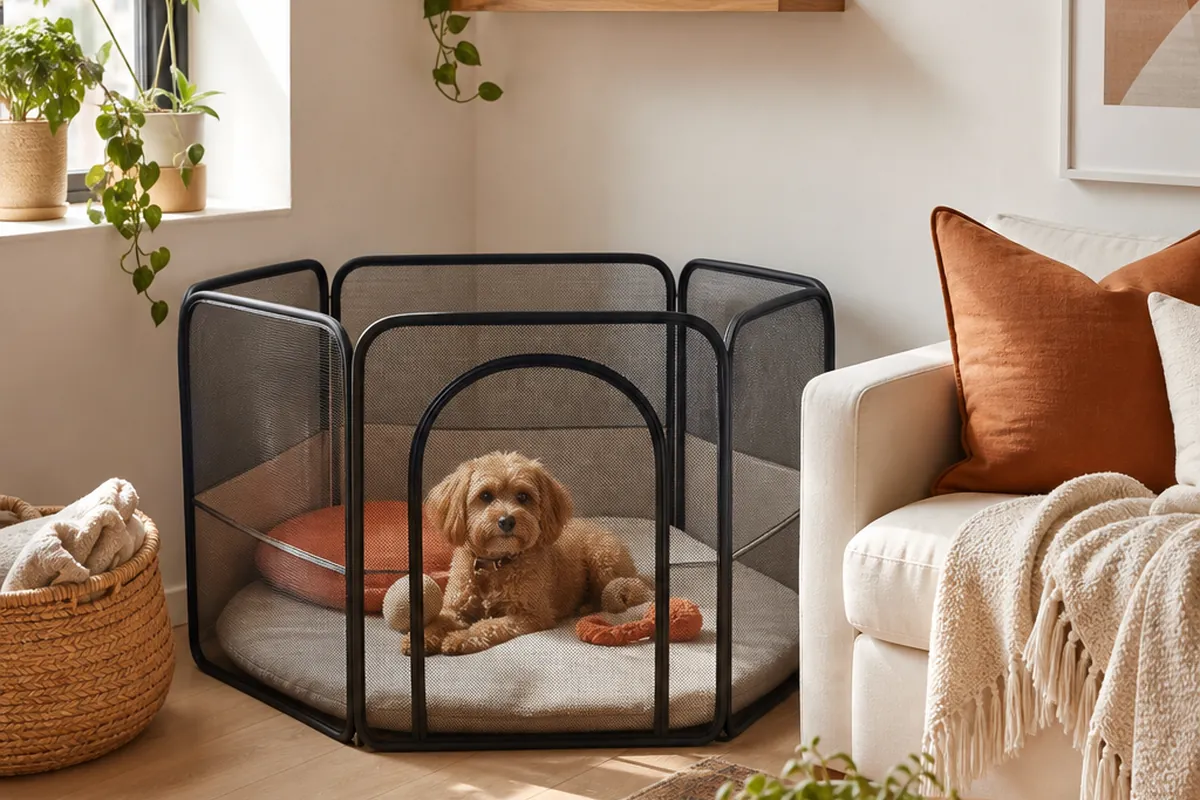
One bed in the main room works until the room fills with people. A second cheap bed somewhere quieter gives the dog an exit that is not your bedroom. In a small apartment this is usually a mat rather than a whole bed, and it costs very little for how much it helps.
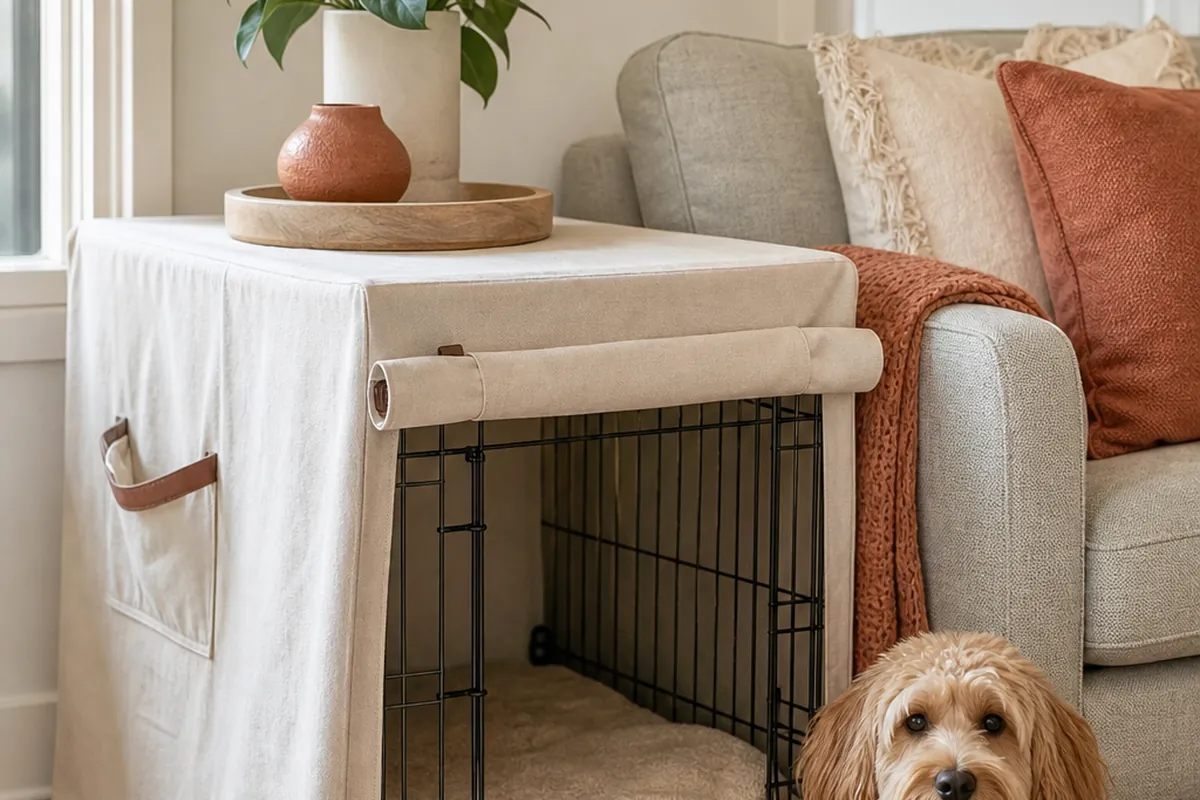
If there is a closet corner or a gap under the stairs going spare, that quieter spot can become a proper retreat rather than a mat, and dog nook ideas for small homes works through where those spaces hide.
Where to start
Do the free things in this order: watch how the dog sleeps, move the existing bed to a wall with a view of the room, and check it is off the walking route. Give it a week. A large share of dog bed complaints resolve at this step without a purchase.
If the dog still will not use it, ask whether the shape matches the sleeper. A sprawler on a bolster bed, or a curler on a flat mat, will keep choosing the sofa and you will keep assuming the dog is being difficult. It is not; it is being specific.
Budget for replacing the bed sooner than you expect, too. A bed in daily use in a small apartment takes more wear than the same bed in a house, because it is the only spot rather than one of four. Filling compresses, covers thin at the edges, and a bed that was excellent in year one is often just a mat by year three. That is an argument for a mid-priced bed you replace than a premium one you feel obliged to keep.
When you do buy, spend on the cover mechanism and the shape, not the marketing. Orthopedic filling matters for older dogs and matters less for a two year old. A washable cover matters for every dog, in every home, from the first week.